
Your home’s exterior does more than make a first impression. It protects everything inside from weather, time, and unexpected damage. When siding fails, the consequences feel personal. That is why many homeowners turn to Hardie siding installation as a long-term solution rather than a short-term fix.
In this guide, you will learn how the installation process works, what makes this material different, how costs are structured, and how it compares to other siding options. By the end, you will have clear, practical insight to decide whether the installation is the right investment for your home.
Understanding Hardie Siding
James Hardie siding is a fiber cement product made from cement, sand, water, and cellulose fibers. This blend creates a material that looks like wood but performs far beyond traditional siding options. Homeowners choose Hardie siding installation because it balances durability, aesthetics, and long-term value. Unlike vinyl or wood, fiber cement resists warping, rotting, and insect damage. It also holds paint exceptionally well, allowing homes to maintain a fresh appearance for years with minimal upkeep.
The Hardie Board Siding Installation Process
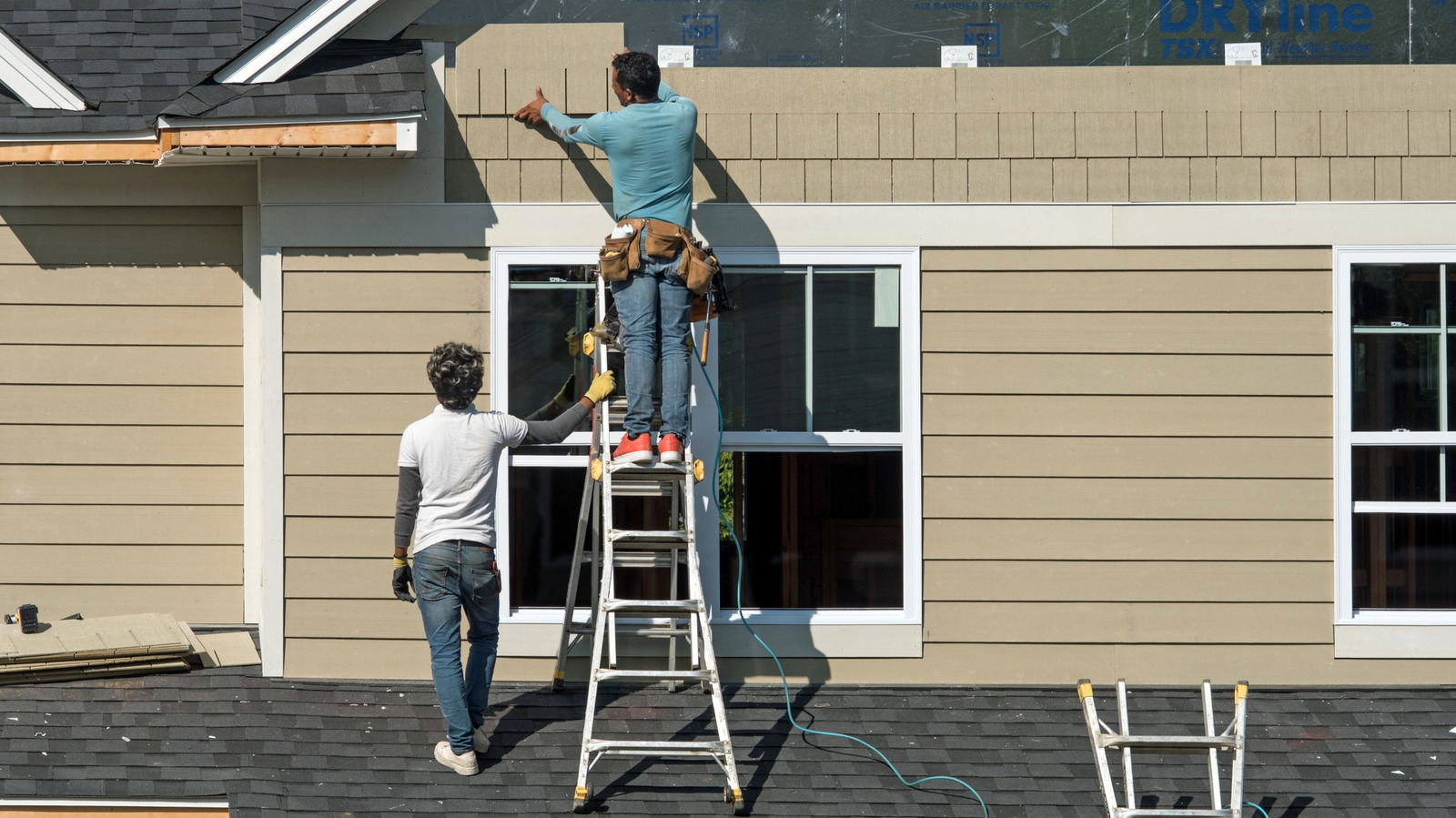
The installation process requires precision, planning, and professional skill. It begins with a detailed inspection of the home’s exterior to identify moisture issues or structural concerns. Old siding is removed, and the wall surface is prepared with a weather-resistant barrier to protect against moisture intrusion.
Next, Hardie boards are carefully measured, cut, and installed according to manufacturer guidelines. Proper spacing, fastening, and sealing are critical steps that affect long-term performance. Trim, joints, and edges are sealed to prevent water penetration, and finishing details are completed to ensure a clean, polished appearance. This careful approach is why Hardie siding installation delivers consistent, reliable results.
Why Homeowners Choose Hardie Siding
The benefits of Hardie siding for homes extend well beyond surface appearance. Fiber cement siding is engineered to withstand harsh weather, including high winds, heavy rain, and intense sun exposure. It is also non-combustible, offering added fire resistance compared to many other materials.
Another key advantage of Hardie siding installation is its ability to boost curb appeal while reducing maintenance demands. The material resists cracking and fading, helping homeowners avoid frequent repairs or repainting. Over time, these benefits translate into peace of mind and a home exterior that remains strong and attractive year after year.
Comparing Fiber Cement and Vinyl Siding
When comparing fiber cement siding vs vinyl siding, differences quickly become clear. Vinyl siding is lightweight and often less expensive upfront, but it can crack, warp, or fade over time. Fiber cement siding is heavier and more durable, offering superior resistance to weather and impact.
While vinyl may suit short-term budgets, Hardie siding installation appeals to homeowners focused on longevity and performance. Fiber cement maintains its appearance longer and provides better protection, making it a stronger choice for those planning to stay in their home for years.
Fiber Cement vs Vinyl Siding Comparison
| Feature | Hardie Fiber Cement Siding | Vinyl Siding |
| Material Composition | Cement, sand, water, cellulose fibers | PVC plastic |
| Durability | Extremely durable; resists cracking, warping, and impact | Can crack, warp, or become brittle over time |
| Weather Resistance | Performs well in heavy rain, strong winds, and intense sun | Vulnerable to extreme heat and cold |
| Fire Resistance | Non-combustible | Can melt or deform under high heat |
| Pest Resistance | Resists insects and rodents | Can be damaged or loosened by pests |
| Maintenance Needs | Low; holds paint well and resists rot | Low initially, but may fade or require replacement |
| Appearance | Wood-like texture with long-lasting color | Smooth finish with limited texture options |
| Lifespan | 30–50+ years with proper installation | 20–30 years on average |
| Upfront Cost | Higher initial investment | Lower upfront cost |
| Long-Term Value | High; fewer repairs and better resale appeal | Moderate; may require earlier replacement |
Understanding the Hardie Siding Installation Cost
The cost depends on several factors, including the size of the home, design complexity, and labor requirements. Fiber cement materials generally cost more than vinyl, and installation requires skilled professionals due to the weight and precision involved.
However, cost should always be viewed in terms of value. Hardie siding installation often reduces future maintenance expenses and extends the lifespan of the exterior. When factoring in durability, fewer repairs, and improved resale potential, many homeowners find the investment worthwhile.
The Value of Professional Installation
Professional Hardie siding contractors play a major role in long-term performance. Proper installation protects warranties and ensures the siding performs as designed. Experienced installers understand the importance of moisture management, fastening techniques, and finishing details that prevent future issues.
With Hardie siding installation, professional expertise reduces the risk of costly mistakes. Homeowners benefit from consistent workmanship, reliable timelines, and confidence that the siding will protect their home for decades.
Key Takeaways
- Hardie siding offers durability, weather resistance, and long-term value.
- The installation process requires professional skill and careful preparation.
- Costs are higher upfront but often lower over the life of the home.
- Comparisons show fiber cement outperforms many traditional siding options.
- Choosing experienced installers protects both performance and investment.
The Bottom Line
Selecting the right siding is a decision that impacts your home’s protection, appearance, and value. Hardie siding installation stands out because it combines strength, beauty, and longevity in one solution. When installed correctly, it delivers reliable performance and lasting peace of mind. For homeowners who value quality and want an exterior that works as hard as they do, fiber cement siding remains a smart, forward-thinking choice.
Professionals like Armour Siding and Soffit LLC help homeowners protect what matters the most through expert Hardie siding installation in Hudson, FL, built on trust, craftsmanship, and family values.
Contact them today to learn how they can strengthen and transform your home. You can reach out to their family-owned team at michaelmavias@armoursidingsoffit.com or call 863-712-2453 to schedule a consultation and get straightforward, honest guidance for your siding project.
FAQs
How long does fiber cement siding installation usually take?
Most projects take several days to a week, depending on the home’s size and layout. Preparation and proper installation steps influence the overall timeline.
Is fiber cement siding more expensive than vinyl or wood?
Yes, it typically costs more upfront than vinyl or wood. However, its durability and lower maintenance needs often offset the initial investment over time.
What makes James Hardie siding a durable option for homes?
Its fiber cement composition resists moisture, pests, fire, and weather damage. This engineered strength allows it to perform reliably for decades.
Does fiber cement siding require a lot of maintenance?
Maintenance is minimal compared to wood. Occasional cleaning and repainting help maintain appearance, but frequent repairs are uncommon.
Can new siding increase a home’s resale value?
Yes, high-quality siding improves curb appeal and buyer confidence. Durable materials like fiber cement often enhance perceived value.