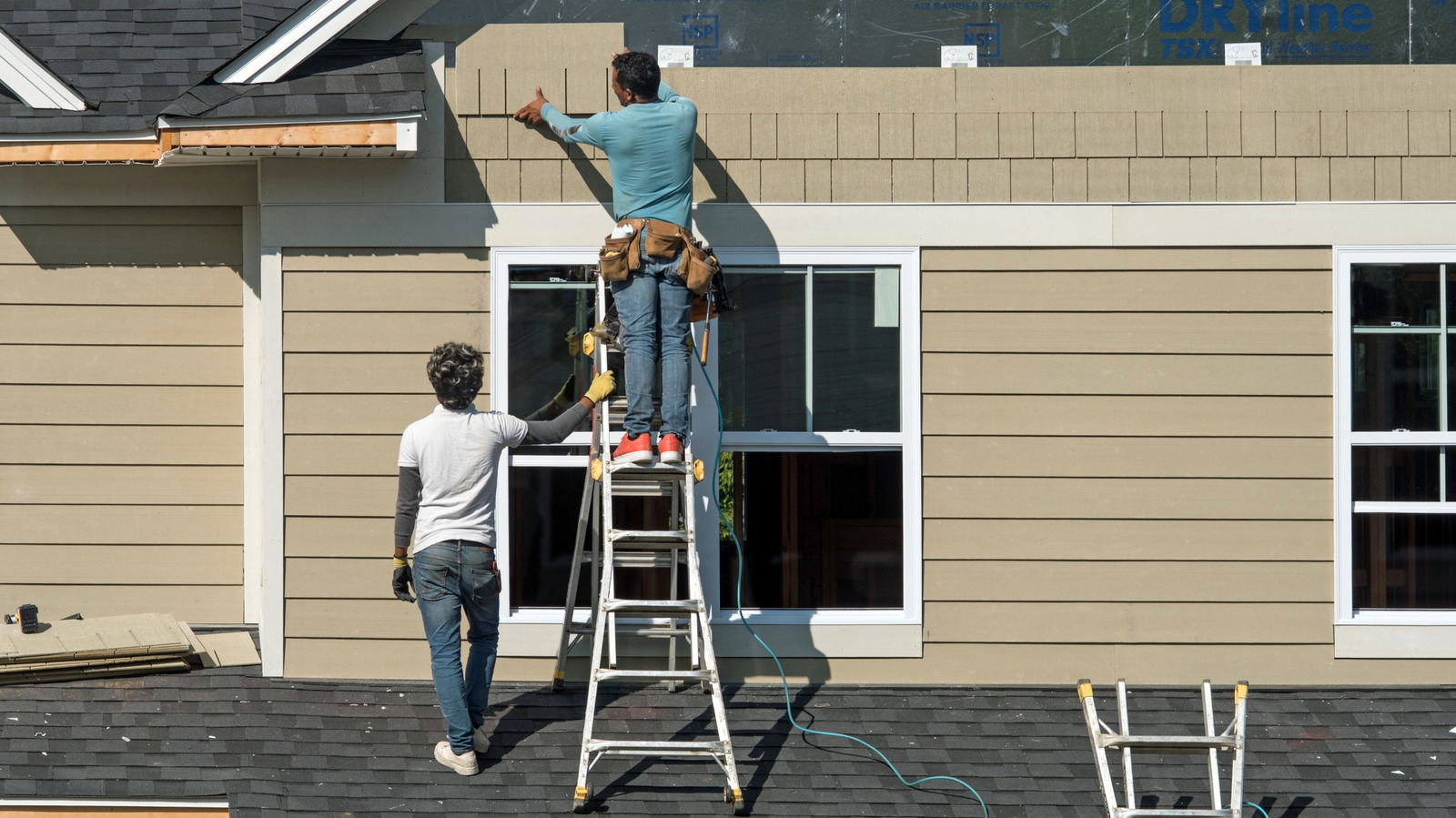
Home exteriors quietly carry a big responsibility. They protect everything inside, including family, comfort, and memories, while standing up to heat, rain, wind, and time itself. Among modern exterior home siding options, one material has steadily gained trust from homeowners and contractors alike, fiber cement.
It’s often chosen not because it’s trendy, but because it performs. Still, before making a decision, most homeowners want clarity: Is it worth it? How long does it last? What does it really cost?
Let’s break it down in a real-world, no-nonsense way so you can make a confident choice for your home.
What Makes Fiber Cement a Popular Exterior Choice?
Fiber cement is a blend of cement, sand, and cellulose fibers engineered into durable boards that mimic wood, stucco, or masonry. It belongs to the category of modern exterior cladding systems, designed to give homes both beauty and strength.
Homeowners often consider it when exploring vinyl alternatives or upgrading from aging wood siding. It’s widely known for resisting moisture damage, pests, and fire exposure better than many traditional materials.
This is why it’s frequently recommended in residential siding installation projects where long-term performance matters more than short-term savings.
Fiber Cement Siding Pros and Cons You Should Know
Every material has strengths and trade-offs, and understanding both sides helps avoid regret later.
Advantages (What homeowners love)
- Strong weather resistant siding performance
- Excellent fire resistant siding materials properties
- Naturally termite resistant siding
- Handles impact better than many lightweight materials
- Can replicate wood aesthetics without wood maintenance
- Strong home exterior protection materials performance
Disadvantages (What to consider)
- Heavier than vinyl, requiring skilled installation
- Higher upfront fiber cement siding installation cost
- Needs repainting after years of exposure
- Installation takes longer than standard siding systems
Despite the drawbacks, many homeowners still see it as a cost effective siding material because of how long it performs without major repairs.
Fiber Cement Siding Cost Breakdown
Cost is usually the biggest deciding factor.
On average, the fiber cement siding cost per sq ft can range widely depending on region, labor, home design, and product quality. Complex architecture or multi-story homes can significantly increase installation expenses.
Key cost considerations include:
- Material grade and thickness
- Labor and expertise required
- Removal of old siding
- Finishing and painting requirements
When comparing the cost of home siding replacement, fiber cement typically sits between vinyl (lower cost) and brick or stone (higher cost). While it demands more upfront investment, its long-term siding investment value often balances the equation.
Home Siding Comparison: Cost, Durability & Lifespan
| Category | Fiber Cement Insight | Vinyl Comparison | Homeowner Takeaway | Summary |
| Durability | High resistance to weather, fire, pests | Moderate durability | Better long-term protection | Strong exterior defense |
| Cost | Higher upfront installation | Lower initial cost | Balance budget vs longevity | Long-term value focus |
| Maintenance | Occasional repainting needed | Low maintenance | Moderate upkeep required | Manageable care routine |
| Lifespan | 30–50+ years | 20–30 years | Longer service life | Fewer replacements |
Fiber Cement Siding Durability & Lifespan Explained
One of the biggest reasons homeowners choose this material is its impressive endurance.
The typical fiber cement siding lifespan ranges from 30 to 50 years or more when properly installed and maintained. This makes it one of the more durable exterior home lifespan materials available today.
Its strength comes from its resistance to:
- Rot and moisture damage
- Insect infestation
- Extreme temperature changes
- Physical impact
However, like any exterior surface, it still requires basic upkeep such as sealing and repainting over time. Regular siding maintenance requirements help preserve its appearance and structural integrity.
So, how long does fiber cement siding last? In many cases, it can outlive multiple roofing cycles when properly cared for.
Is Fiber Cement Siding Worth It?
This is the question most homeowners ultimately ask.
The answer depends on your priorities. If you’re looking for a low-cost, temporary solution, vinyl may seem more appealing. But if you’re focused on durability, resale value, and fewer long-term repairs, fiber cement often becomes the smarter choice.
Many contractors consider it one of the best siding for durability and cost options because it balances performance with aesthetic flexibility.
For homeowners planning to stay in their property long-term, it often delivers strong ROI through reduced repairs and improved curb appeal.
Common Myths About Fiber Cement Siding
Myth 1: It never needs maintenance
Reality: It requires periodic repainting and inspection.
Myth 2: It is too fragile during installation
Reality: It’s durable once installed but requires skilled handling.
Myth 3: It’s only for luxury homes
Reality: It’s widely used in both residential and mid-range housing.
Understanding these myths helps homeowners avoid confusion during home siding replacement options research.
A Simple Decision Framework: Should You Choose It?
Here’s a practical way to decide:
The 3C Framework
1. Climate Check
Do you live in a region with heavy rain, heat, or pests?
2. Cost Comfort
Can you invest more upfront for long-term savings?
3. Commitment Level
Are you okay with occasional maintenance for decades of durability?
If you answered “yes” to at least two, fiber cement is likely a strong fit.
Fiber Cement Siding vs Vinyl Siding Comparison
When comparing fiber cement vs vinyl siding comparison, the difference comes down to priorities:
- Vinyl is cheaper and low maintenance
- Fiber cement is stronger, longer-lasting, and more premium in appearance
While vinyl works for budget-focused projects, fiber cement is often chosen for homeowners upgrading their house siding materials comparison strategy.
Both have value but they serve different goals.
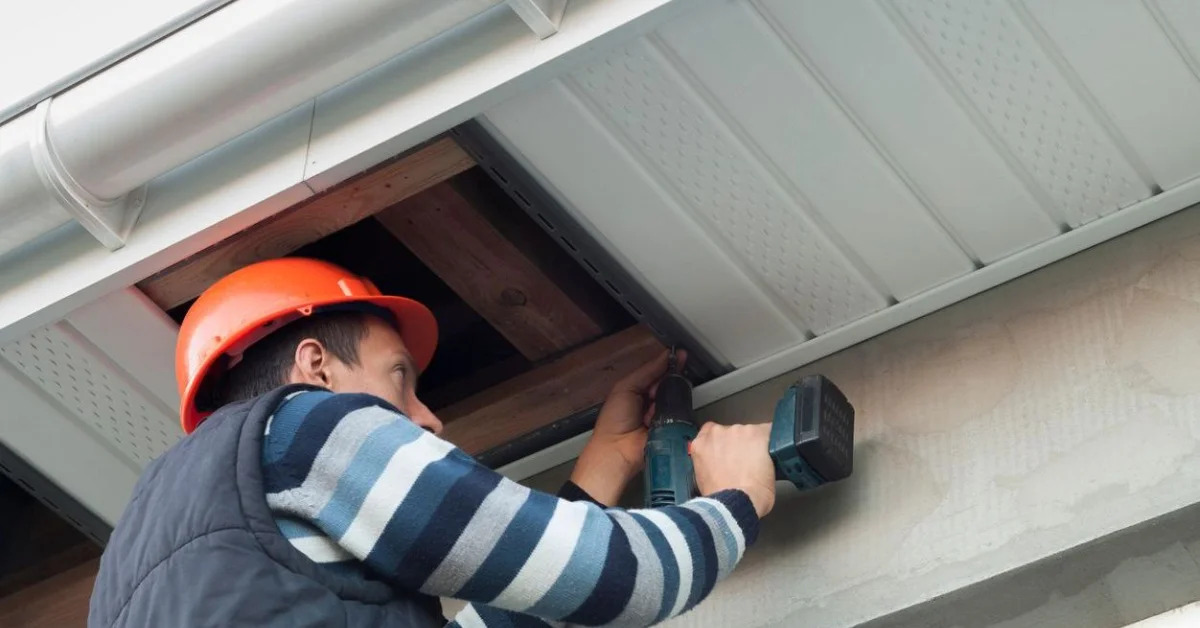
Professional Installation Matters
Even the best material can fail if installed poorly.
Working with a trusted team like Armour Siding and Soffit LLC ensures proper sealing, alignment, and long-term performance. For homeowners looking for a Siding Installation Specialist in Hudson, FL, choosing experienced installers is just as important as choosing the material itself.
Proper installation directly impacts durability, moisture resistance, and overall lifespan.
Final Thoughts
Fiber cement continues to stand out because it solves a simple homeowner problem: how to get long-lasting protection without constant repairs.
It’s not the cheapest option, and it’s not maintenance-free, but it delivers something more valuable, stability over time.
If you’re planning a siding upgrade, think beyond the upfront cost. Think about years of protection, fewer repairs, and long-term peace of mind.
That’s where fiber cement quietly proves its worth.
FAQs
1. How long does fiber cement siding last?
Typically 30–50 years or more with proper installation and maintenance.
2. Is fiber cement siding better than vinyl?
It depends on priorities. Fiber cement offers better durability, while vinyl is cheaper and easier to maintain.
3. What is the biggest downside of fiber cement siding?
Higher installation cost and the need for occasional repainting.
4. Does fiber cement siding increase home value?
Yes, it can improve curb appeal and resale value due to its durability and premium look.
5. How often does fiber cement siding need maintenance?
Basic inspection yearly and repainting every 10–15 years depending on climate.