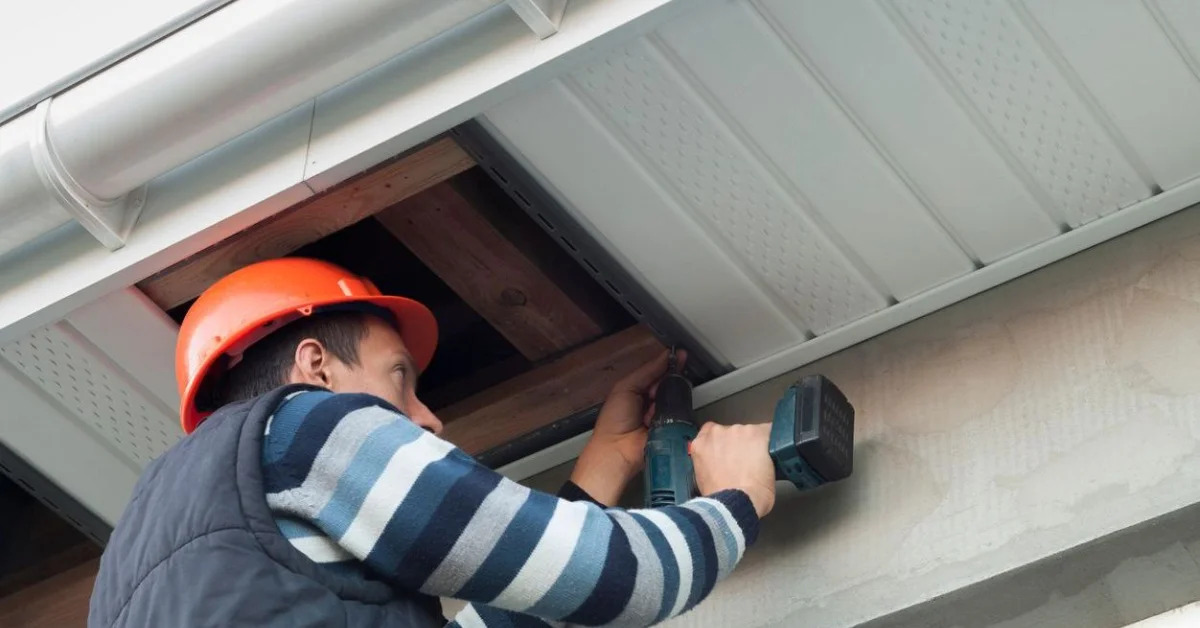
Most homeowners don’t think twice about what’s happening along the edge of their roof until something goes wrong. Maybe it starts with peeling paint, a slight sag in the gutter, or a faint rustling sound coming from above. These small details often point to a bigger issue and your home may be quietly asking for soffit and fascia repair.
These exterior components are easy to overlook, but they play a powerful role in protecting your home from moisture, pests, and structural damage. Knowing what to watch for and acting early can save you from expensive repairs down the road.
Why Soffit and Fascia Matter More Than You Think
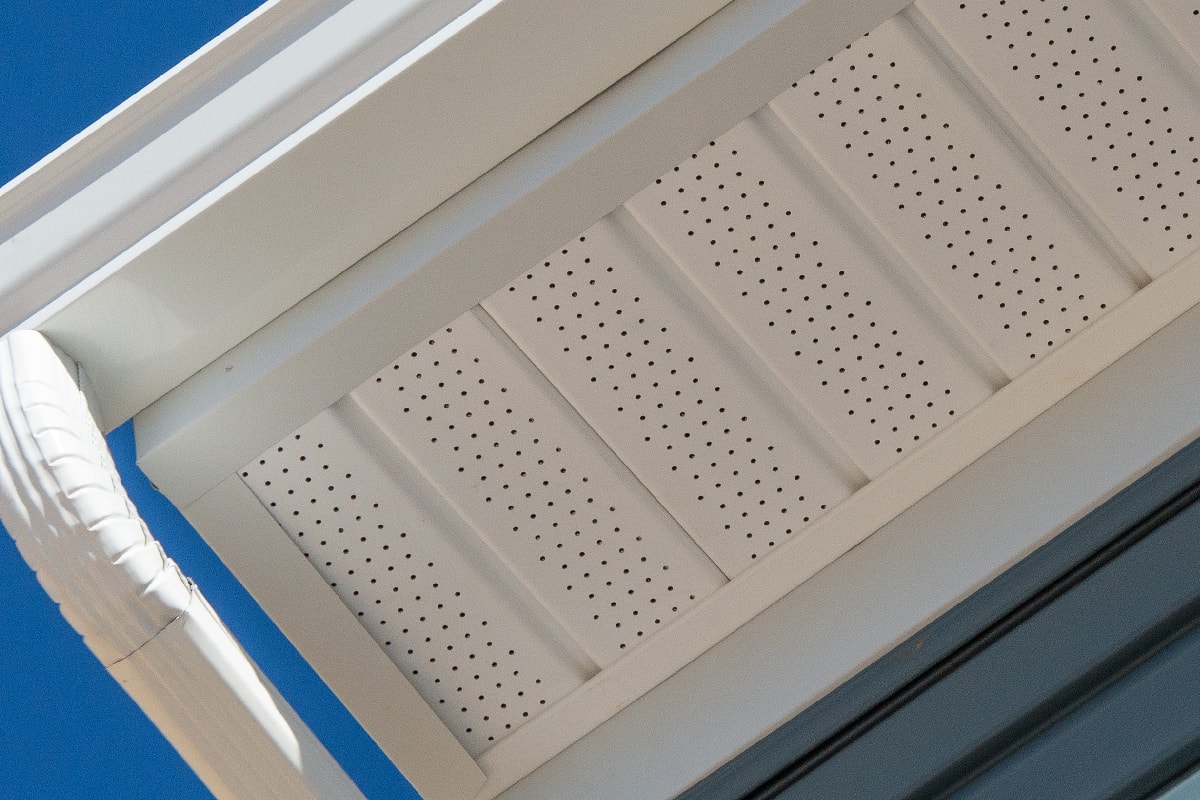
Your soffit sits underneath the roof overhang, helping regulate airflow into the attic. The fascia runs along the roofline, supporting your gutters and acting as a barrier against water intrusion. Together, they form a critical part of your home exterior protection system.
When they are working properly, you do not notice them. But when they fail, the signs tend to show up in subtle and sometimes surprising ways.
Soffit and Fascia Repair Signs You Shouldn’t Ignore
The early warning signs are often visual. If you know where to look, your home will tell you exactly what’s wrong.
1. Peeling Paint and Surface Deterioration
Peeling paint on roof edges or bubbling finishes often signal moisture damage under eaves. This usually means water is getting trapped where it shouldn’t be, which is a common trigger for wood rot near the roofline.
2. Cracked or Warped Panels
Cracked or warped soffit panels can restrict airflow, leading to attic ventilation soffit issues. Over time, this creates heat buildup and can contribute to mold growth in attic spaces.
3. Sagging Gutters and Fascia Boards
If your gutters appear loose or uneven, the fascia may no longer be structurally sound. Sagging gutters and fascia boards are often tied to prolonged exposure to water or clogged gutters causing fascia rot.
4. Pest Infestation in Soffits
Small openings in damaged soffits are an open invitation for birds, insects, and rodents. If you notice scratching noises or nesting activity, it’s time to inspect further.
5. Water Damage on Exterior Trim
Dark streaks, stains, or soft spots on exterior trim often indicate ongoing water infiltration, one of the most common roof soffit and fascia problems.
A Simple Framework to Assess the Damage
When homeowners aren’t sure whether to act, it helps to follow a simple decision-making framework. Think of it as the “3S Rule”:
1. Spot – Look for visible damage like peeling paint, cracks, or sagging.
2. Source – Identify what’s causing it (moisture, poor ventilation, pests).
3. Severity – Decide if it’s cosmetic or structural.
If the issue involves structural weakness, water penetration, or attic airflow issues, it’s best not to wait. These problems tend to escalate quickly.
Common Issues & Fixes
| Issue Observed | Likely Cause | Risk Level | Recommended Action |
| Peeling paint on roof edges | Moisture buildup | Medium | Inspect and reseal or repair |
| Sagging gutters | Weak fascia board | High | Immediate fascia repair |
| Cracked soffit panels | Aging or weather exposure | Medium | Replace damaged sections |
| Pest activity | Openings in soffit | High | Seal entry points + repair |
| Mold in attic | Poor ventilation | High | Improve airflow + inspect soffit |
When to Repair Soffit and Fascia
Timing matters more than most people realize. Waiting too long can turn a minor repair into a full replacement project.
Here are clear signs of damaged soffit and fascia that require immediate attention:
- Persistent moisture damage under eaves
- Visible wood rot or soft spots
- Signs of poor roof ventilation
- Ice dams and soffit damage in colder months
- Gutter problems caused by fascia damage
If you’re noticing more than one of these issues, it’s a strong indicator that soffit and fascia repair is no longer optional and it is necessary.
Common Mistakes Homeowners Make
Even well-intentioned homeowners can make decisions that lead to bigger problems later. Here are a few to avoid:
Ignoring Early Warning Signs
A small crack today can turn into structural damage tomorrow. Early intervention is always more affordable.
Choosing the Wrong Materials
Not all materials perform the same. Understanding aluminum vs wood soffit materials or the long-term benefits of vinyl soffit repair can make a big difference in durability.
Overlooking Ventilation
Fixing the surface without addressing attic airflow issues often leads to recurring problems.
DIY Without Proper Inspection
While minor fixes are manageable, deeper issues such as roof edge structural damage require professional evaluation.
Soffit Repair Guide for Homeowners
If you’re trying to understand your next step, here’s a practical approach:
- Inspect Regularly – Add soffit and fascia checks to your exterior home maintenance checklist.
- Check Gutters – Ensure water flows properly to avoid buildup.
- Look for Hidden Damage – Pay attention to subtle signs like musty odors or uneven paint.
- Act Quickly – Address issues before they spread to roofing or attic structures.
This simple process can help you stay ahead of costly repairs.
Repair vs Replacement: What’s the Right Choice?
One of the most common questions homeowners ask is whether they should repair or replace. The answer depends on the extent of the damage.
● Repair is ideal for localized issues like minor cracks or peeling paint.
● Replacement is often necessary when there’s widespread wood rot, mold, or structural instability.
Understanding fascia board replacement vs repair comes down to long-term value. Sometimes, investing more upfront prevents repeated repairs later.
The Cost Factor: What to Expect
A soffit and fascia repair cost estimate can vary based on:
- Material type
- Extent of damage
- Accessibility of the roofline
- Labor requirements
While costs differ, one thing remains consistent. Delaying repairs almost always increases the final expense.
Why Professional Help Makes a Difference
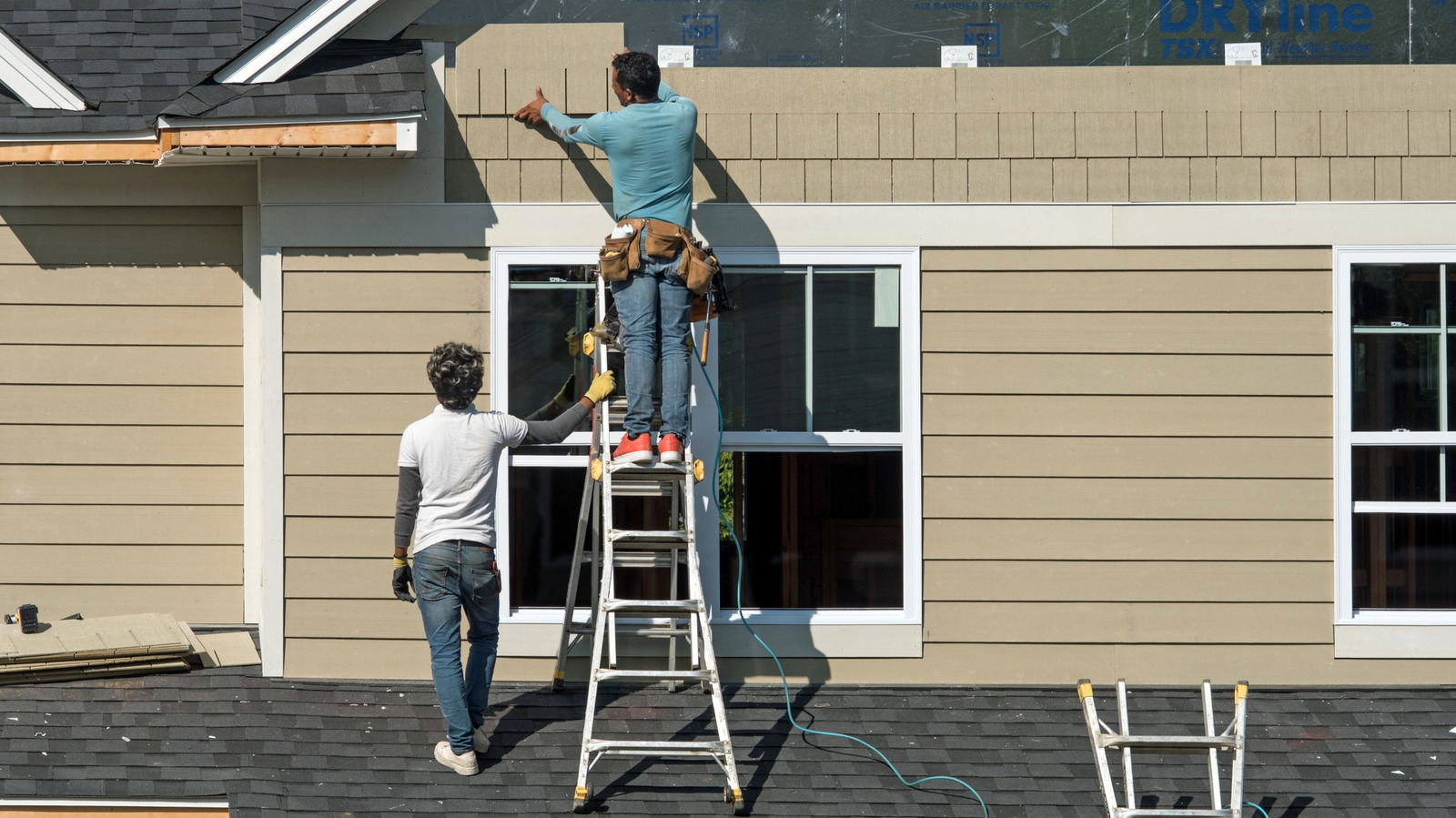
There’s a reason many homeowners turn to professional soffit and fascia repair services. Beyond fixing visible damage, experienced contractors identify hidden risks that aren’t immediately obvious.
For homeowners in Florida, working with trusted providers like Armour Siding and Soffit LLC ensures the job is done with both durability and climate considerations in mind. Whether it’s Fascia Installation Services in Hudson, FL or guidance from a Soffit Installation Expert in Hudson, FL, having the right team can make all the difference in protecting your home long-term.
Final Thoughts
Your home’s exterior is constantly exposed to the elements, and small vulnerabilities can quickly turn into major concerns. Paying attention to soffit and fascia repair signs and acting early helps preserve not just your roof but your entire home structure.
Think of it this way: the sooner you address the warning signs, the more control you have over the outcome. And when it comes to your home, that peace of mind is worth everything.
FAQs
1. How do I know if my soffit needs repair?
Look for cracks, warping, peeling paint, or signs of pest activity. These are common indicators of damage.
2. What happens if fascia boards are damaged?
Damaged fascia can lead to sagging gutters, water intrusion, and eventual roof damage if not repaired.
3. Can damaged soffit cause mold in the attic?
Yes, poor ventilation from damaged soffits can trap moisture, leading to mold growth in attic spaces.
4. How often should soffit and fascia be inspected?
At least once a year, or after major storms, to catch early signs of damage.
5. Is it better to repair or replace soffit and fascia?
It depends on the severity. Minor issues can be repaired, but widespread damage often requires replacement for long-term protection.