A home can look solid from the outside and still struggle silently above your head. The attic space, often ignored, plays a major role in how long your roof lasts, how comfortable your home feels, and how much you spend on energy bills. At the center of this hidden system is one simple but powerful component called soffit ventilation.
When it works properly, it’s invisible. When it fails, the damage can be expensive.
Understanding the Role of Soffit Ventilation in Your Home
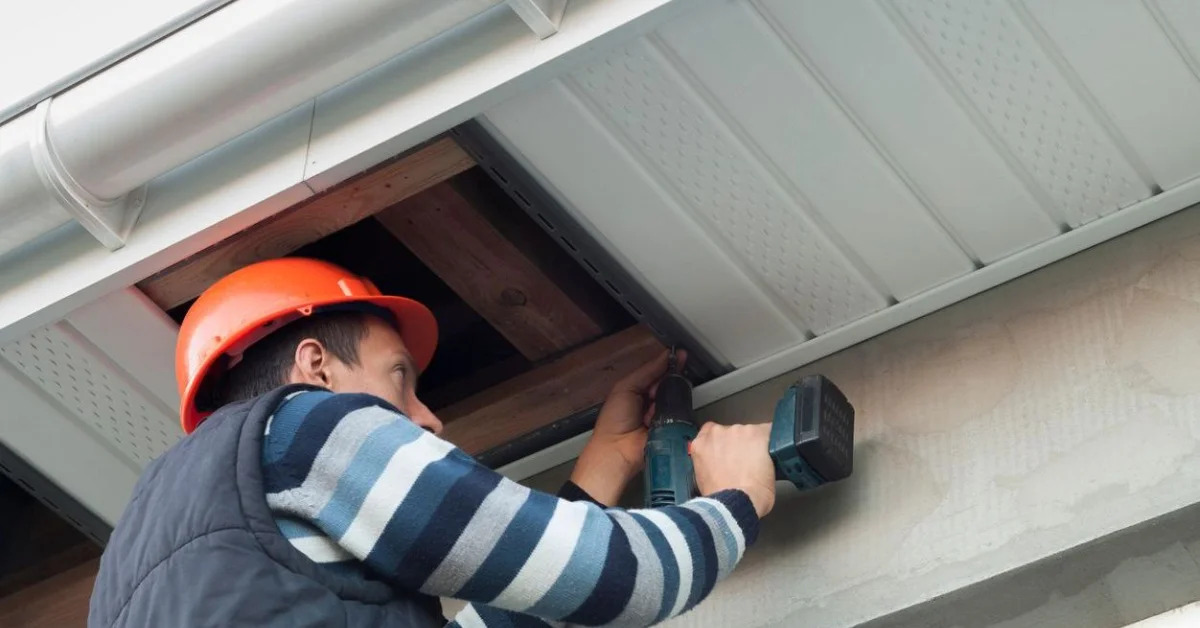
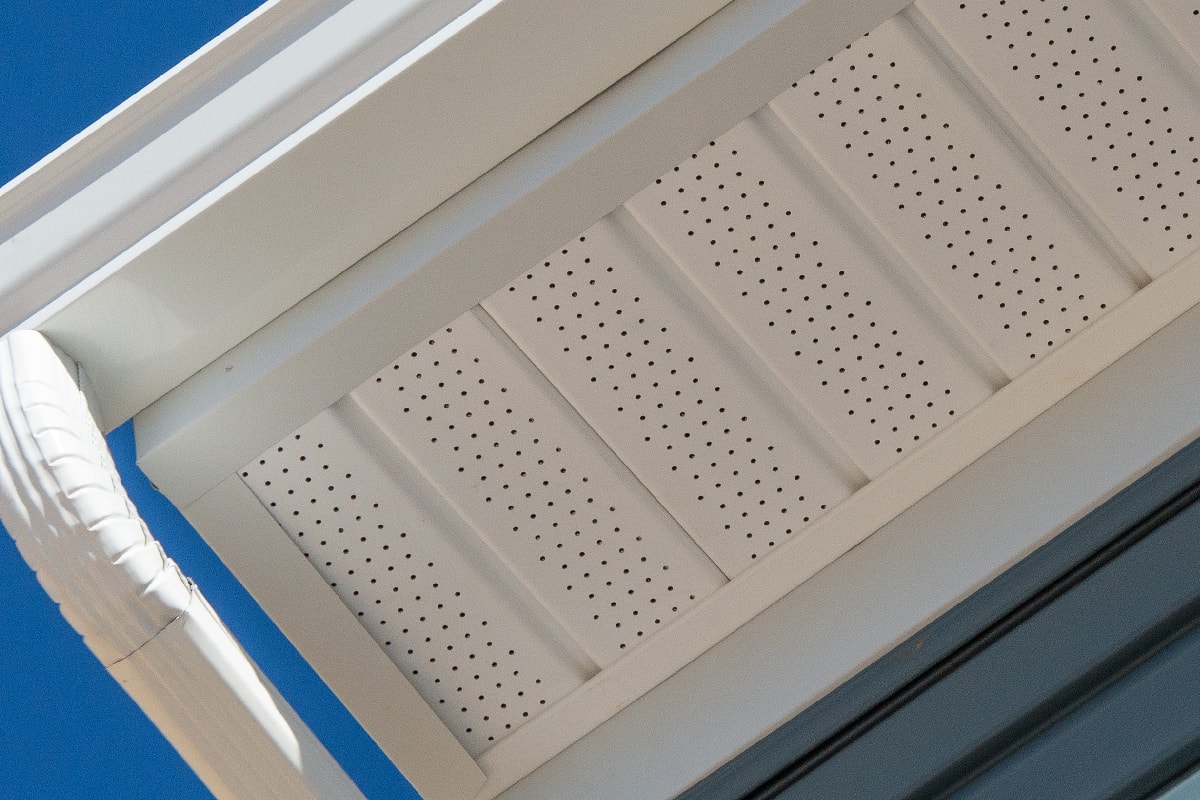
To understand Soffit Ventilation, think of your attic as a breathing system. Air needs a way in and a way out. Soffit vents, located under the eaves of your roof, act as the intake point for fresh outside air. This air flows upward through the attic and exits through ridge or roof vents.
This continuous movement is part of a balanced roof airflow system, ensuring your attic doesn’t become a trapped pocket of heat and moisture.
Without this balance, your home can face heat buildup in attic spaces, leading to long-term structural and energy issues. That’s why Soffit Ventilation is considered the foundation of a proper attic ventilation system and overall home roof ventilation strategy.
Why Soffit Ventilation Protects Roof Health
Many homeowners underestimate how quickly heat and moisture can damage roofing materials. During summer, attic temperatures can skyrocket, forcing shingles and decking to age prematurely. In winter, trapped moisture creates condensation that slowly weakens the structure.
This is where Soffit Ventilation becomes essential for roof protection systems. It helps regulate airflow and reduces moisture damage in roof structures, preventing problems like rot and mold.
A properly designed system also improves roof ventilation benefits, such as:
- Reduced risk of mold growth prevention in attic spaces
- Lower chance of wood rot in roofing structures
- Improved shingle lifespan extension
- Better roof deck protection
When airflow is balanced, your roof performs like a system, rather than just a surface.
Moisture Control and Hidden Attic Damage
One of the most dangerous issues in homes is invisible moisture. Everyday activities like cooking, bathing, and laundry release humidity that rises into the attic. Without proper Soffit Ventilation, this moisture becomes trapped.
Over time, it leads to condensation in attic space, which quietly damages insulation and wooden framing. This is one of the biggest reasons professionals emphasize roof moisture control as a priority in residential roofing.
Poor ventilation can also contribute to winter roof moisture issues, especially in colder climates where warm indoor air meets a cold roof deck.
This slow buildup is exactly what makes Soffit Ventilation so important for long-term structural protection.
Temperature Control and Energy Efficiency
If your attic feels like an oven in summer, your cooling system is working overtime. That heat does not stay in the attic. It transfers into your living space, increasing energy consumption.
Proper Soffit Ventilation helps regulate attic temperature control by pushing out hot air and allowing cooler air to circulate naturally. This improves energy efficient roof ventilation and supports better HVAC performance.
In simple terms:
- Cooler attic = lower AC load
- Balanced airflow = reduced energy loss through roof
- Better insulation performance = improved comfort
This is where summer attic heat reduction becomes a noticeable benefit for homeowners.
Roof Ventilation Breakdown Table
| Column 1 | Column 2 | Column 3 | Column 4 |
| Heat buildup in attic | Poor airflow | High energy bills | Install proper ventilation system |
| Moisture accumulation | Blocked soffit vents | Mold and rot | Improve intake ventilation |
| Ice dam formation | Warm attic leaks heat | Roof damage in winter | Balance intake and exhaust airflow |
| Poor insulation performance | Trapped humidity | Reduced efficiency | Upgrade ventilation design |
The AIRFLOW Framework for Healthy Roof Systems
To simplify how a strong ventilation system works, professionals often follow a practical model we call the AIRFLOW Framework:
- A – Air Intake (Soffits): Fresh air enters through soffit vents
- I – Internal Circulation: Air moves through attic space evenly
- R – Roof Exhaust: Warm air exits through ridge or roof vents
- F – Flow Balance: Equal intake and exhaust prevents pressure buildup
- L – Layer Protection: Insulation and decking stay dry and stable
- O – Outdoor Regulation: External temperature impact is reduced
- W – Weather Resistance: Roof performs better in all seasons
This system ensures proper attic ventilation, which is critical for maintaining a long-lasting roof structure.
Common Mistakes Homeowners Make
Even well-built homes can suffer when ventilation is misunderstood. Some of the most common mistakes include:
- Blocking soffit vents with insulation
- Installing exhaust vents without intake balance
- Ignoring signs of attic humidity
- Assuming roof leaks are only weather-related
- Skipping regular roof inspections
These issues disrupt roof ventilation airflow balance, making even a strong roof system fail prematurely.
How Proper Soffit Ventilation Improves Roof Longevity
A well-designed Soffit Ventilation system works silently year-round. It supports residential roof ventilation, protects insulation, and prevents structural decay.
It also reduces energy loss through roof systems, helping homeowners maintain consistent indoor temperatures without overworking HVAC units.
When combined with ridge vents, it creates a complete soffit and ridge vent system that ensures continuous airflow from intake to exhaust.
This balance is what keeps a roof system healthy for decades instead of years.
Professional Installation Matters
While ventilation may seem simple, proper design requires experience. Every roof has different slope, size, and airflow needs. That’s why professional installation is essential for long-term performance.
For homeowners looking to upgrade their roofing system, services like Soffit Installation Services in Hudson, FL provided by Armour Siding and Soffit LLC ensure the ventilation system is correctly designed and installed for maximum efficiency and durability.
Final Thoughts
A roof is more than shingles. It is a living system that depends on airflow, balance, and protection. Soffit Ventilation is the quiet force that keeps this system functioning properly.
From reducing heat buildup to preventing moisture damage, its impact reaches every part of your home’s structure. When installed correctly and maintained well, it improves comfort, efficiency, and long-term durability.
In the end, investing in proper ventilation isn’t just about protecting your roof, it is about protecting your entire home.
FAQs
1. What is soffit ventilation and why is it important?
Soffit ventilation allows fresh air into the attic, helping regulate temperature and moisture. It is essential for preventing heat buildup and extending roof life.
2. How does soffit ventilation prevent roof damage?
It reduces trapped heat and moisture, which helps prevent mold growth, wood rot, and shingle deterioration.
3. What are signs of poor attic ventilation?
Common signs include high energy bills, musty odors, moisture stains, and uneven roof temperatures.
4. Can soffit ventilation improve energy efficiency?
Yes, it reduces attic heat buildup, which lowers HVAC strain and improves overall energy efficiency.
5. Do all homes need soffit ventilation?
Most homes benefit from it, especially those with attic spaces. It helps maintain a balanced airflow system and protects roof structure.