
Your home is more than a structure. It is protection, comfort, and long-term security for everything inside it. When the exterior begins to fail, problems rarely stay outside. Vinyl siding installation offers homeowners a reliable way to defend their property against weather exposure, moisture damage, and gradual structural wear.
In this guide, you will learn how vinyl siding shields exterior walls, supports durability, reduces maintenance stress, and adds long-term value. Understanding how the right siding choice protects your home helps you make confident decisions that safeguard both appearance and performance.
Why Exterior Protection Is Critical for Long-Term Home Health
Exterior walls are constantly exposed to forces that slowly weaken materials. Sunlight dries surfaces, rain seeps into gaps, and humidity lingers where airflow is poor. Without adequate protection, these conditions lead to decay that spreads inward over time.
Common Threats to Home Exteriors
Moisture is the most damaging threat, followed closely by temperature changes and wind-driven debris. Over time, untreated surfaces crack, swell, or rot, allowing water and pests to reach deeper layers of the home.
Hidden Damage Homeowners Often Overlook
Damage rarely starts where it is visible. Wall cavities and insulation can hold moisture long before stains or warping appear. By the time problems are noticed, repairs often extend beyond the surface.
How Vinyl Siding Installation Creates a Protective Shield
Vinyl siding installation serves as a barrier between your home and external forces. The system works as a layered defense rather than a single rigid surface.
Panel Design and Structural Coverage
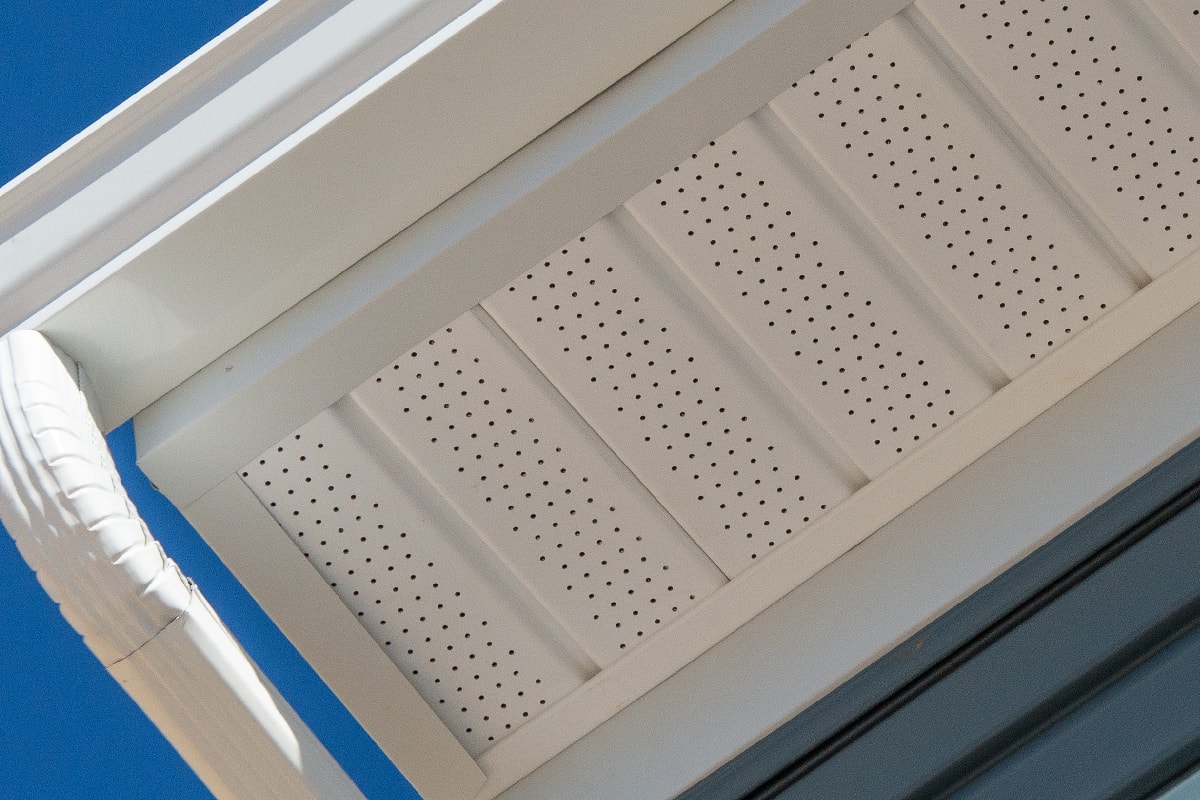
Panels overlap to direct water away from walls while allowing airflow behind the siding. This design reduces pressure buildup and helps the exterior adapt to temperature changes without cracking.
Resistance to Cracking, Warping, and Rot
Vinyl does not absorb moisture, which prevents swelling and rot. Its flexibility allows it to expand and contract without breaking, preserving coverage through seasonal shifts.
How Vinyl Siding Protects Key Areas of Your Home
| Home Exterior Area | Common Risks Without Protection | How Vinyl Siding Helps Protect |
| Exterior walls | Moisture absorption, cracking, surface decay | Blocks direct exposure and sheds water efficiently |
| Wall cavities | Hidden mold growth and insulation damage | Promotes airflow and reduces trapped moisture |
| Structural framing | Rot weakening over time | Prevents water intrusion from reaching the framing |
| Insulation | Reduced efficiency due to dampness | Helps keep insulation dry and effective |
| Home appearance | Fading, peeling, uneven surfaces | Maintains consistent color and clean finish |
Weather Resistance and Moisture Defense
Homes face repeated exposure to rainstorms, humidity, and sun. Effective siding must manage all three without compromising performance.
Protection During Heavy Rain and Humidity
Vinyl siding weather protection works by shedding water rather than absorbing it. This limits prolonged dampness and reduces the risk of interior moisture migration.
Mold and Mildew Prevention Benefits
By preventing water from settling behind walls, vinyl reduces the conditions that allow mold to grow. Proper airflow further limits moisture retention and surface staining.
Long-Term Durability Compared to Other Siding Options
When comparing materials, longevity depends on how well the siding withstands daily stress.
Vinyl Versus Fiber Cement Durability
Vinyl resists moisture-related damage more effectively, while fiber cement can absorb water and require sealing to maintain integrity.
Expected Lifespan in Normal Conditions
With proper execution and basic care, vinyl siding installation can protect a home for decades without significant degradation.
Benefits of Vinyl Siding for Homes
Exterior protection also influences indoor comfort. Gaps and drafts increase energy use and reduce temperature stability.
Wind Blocking and Thermal Stability
Vinyl siding limits air infiltration, reducing drafts that strain heating and cooling systems. This helps maintain consistent indoor temperatures.
How Exterior Upgrades Support Lower Energy Use
When siding supports insulation rather than exposing it, energy efficiency improves, and monthly utility demands decrease.
Cost Value and Return on Investment
Affordability matters, but value is measured over time rather than at purchase.
Understanding the Vinyl Siding Installation Cost
The cost of vinyl siding installation is often lower than many alternatives while offering long-term savings through durability and minimal upkeep.
Long-Term Savings Through Reduced Repairs
Lower repair frequency and no repainting requirements help homeowners save over the life of the siding.
Maintenance Expectations for Busy Homeowners
Exterior protection should not require constant attention.
Simple Cleaning and Inspection Needs
Vinyl siding maintenance requirements are limited to occasional rinsing and visual checks to ensure panels remain secure.
Why Low Maintenance Equals Long-Term Protection
Less maintenance reduces the chance of overlooked damage, keeping protection consistent year after year.
Why Installation Quality Matters More Than Materials Alone
Even the best materials fail if installed incorrectly.
Risks of Improper Installation
Poor alignment or fastening can trap moisture and weaken the protective barrier, leading to early failure.
Importance of Working With Professionals
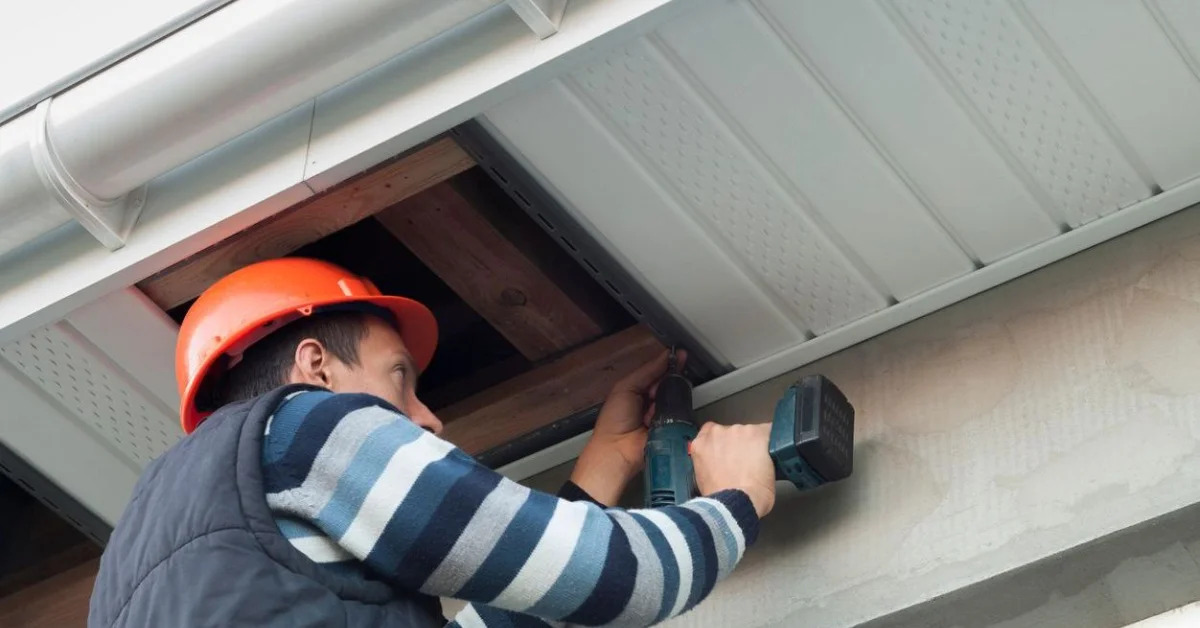
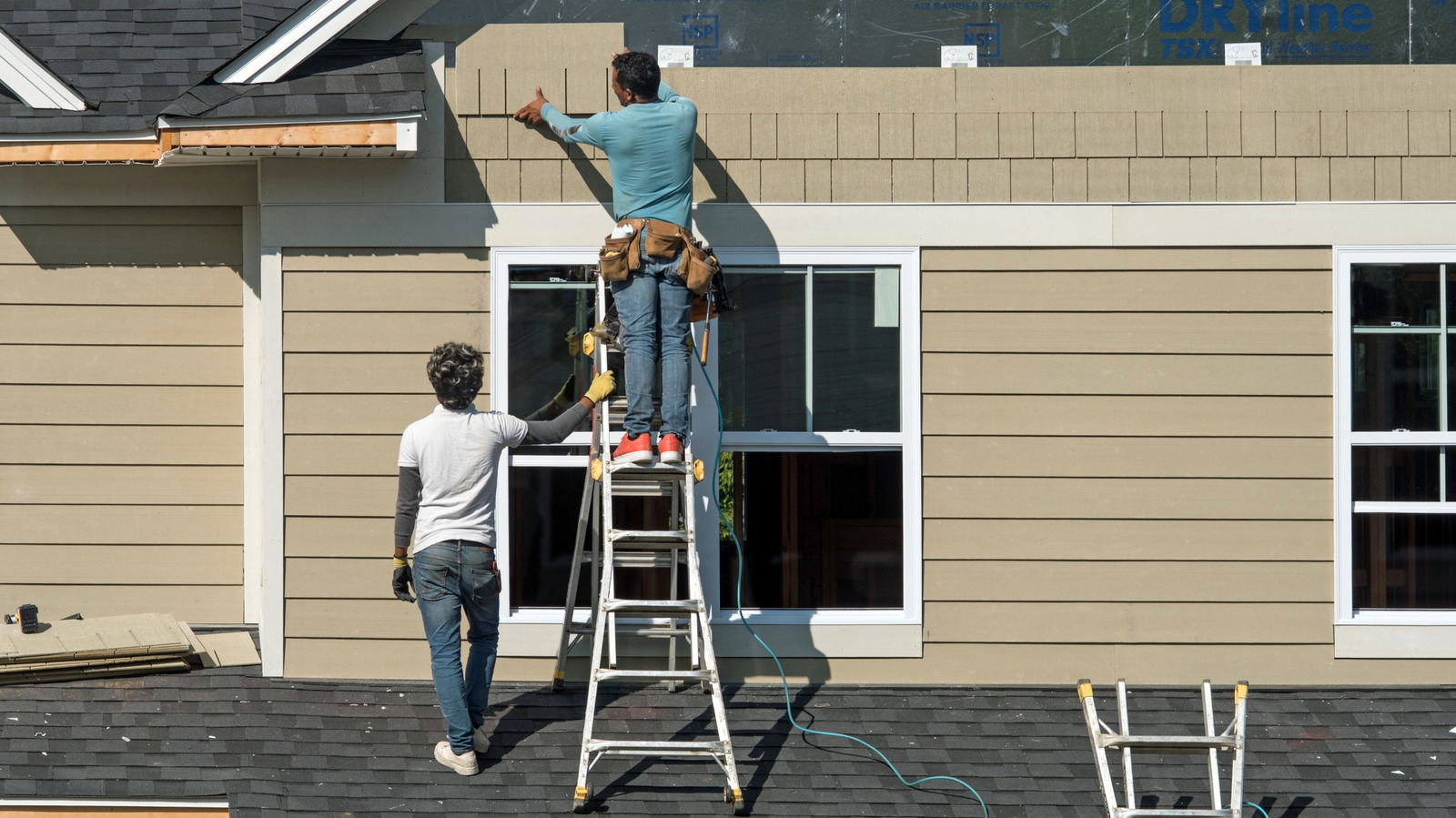
Experienced professional vinyl siding contractors understand drainage spacing and expansion needs that protect long-term performance.
Local Considerations for Florida Homes
Climate plays a major role in exterior durability.
Climate Challenges in Coastal and Humid Regions
High humidity and frequent storms demand siding that resists moisture intrusion and heat exposure.
Vinyl Siding Installation in Hudson, FL
Vinyl Siding Installation in Hudson, FL must account for humidity and seasonal weather patterns to ensure lasting protection.
How New Siding Improves Property Value and Curb Appeal
Protection and appearance go hand in hand.
Buyer Perception and Exterior Condition
Clean, durable siding signals proper care and lowers buyer concerns about future repairs.
Protection as a Value Signal
Upgraded exteriors suggest longevity, stability, and reduced maintenance, increasing market appeal. For homeowners exploring exterior improvements, many find guidance through trusted resources like exterior home improvement services.
Key Takeaways
- Vinyl siding installation shields homes from moisture, weather, and surface damage.
- Proper installation ensures durability and long-term performance.
- Vinyl requires minimal upkeep compared to other materials.
- Exterior protection improves comfort, efficiency, and resale value.
- Climate-appropriate installation maximizes siding lifespan.
Our Take
Protecting your home exterior is not just about appearance. It is about preserving the safety, comfort, and long-term value of what matters most. Vinyl siding installation creates a dependable barrier against moisture, weather exposure, and gradual structural damage while reducing maintenance stress and improving efficiency. When chosen and installed correctly, it becomes a proactive investment that safeguards your home for years to come.
Experienced professionals like Armour Siding and Soffit LLC deliver siding solutions focused on protection, durability, and long-term performance, helping homeowners turn exterior upgrades into lasting peace of mind.
To discuss your project, contact them by email at michaelmavias@armoursidingsoffit.com or call 863 712 2453 to speak with experienced in-house professionals who prioritize quality workmanship.
FAQs
How does vinyl compare to fiber cement for exterior durability?
Vinyl resists moisture absorption and cracking, while fiber cement may require more upkeep to prevent water-related damage.
How long can vinyl siding last in normal weather conditions?
With proper vinyl siding installation and care, the siding can last several decades.
Does vinyl siding protect against moisture and mold issues?
Yes, it sheds water and allows airflow that reduces moisture buildup and mold risk.
What maintenance is required to keep vinyl siding in good shape?
Occasional cleaning and routine inspections are typically sufficient.
Can new exterior siding improve energy efficiency and home value?
Yes, it supports insulation performance and enhances curb appeal, increasing overall value.