Vinyl siding is one of the most popular choices for homeowners looking to enhance their home’s exterior. Affordable, low-maintenance, and durable, it provides an attractive finish while protecting your home from the elements. However, not all vinyl siding is the same. Understanding the types of vinyl siding is essential for making informed decisions that balance aesthetics, durability, and overall home value. In this guide, we’ll explore the different styles, installation options, benefits, and comparisons to other materials, helping you choose the right siding for your home.
What Are the Different Types of Vinyl Siding?
Vinyl siding comes in a variety of styles, each offering a unique look and performance. The most common types of vinyl siding include:
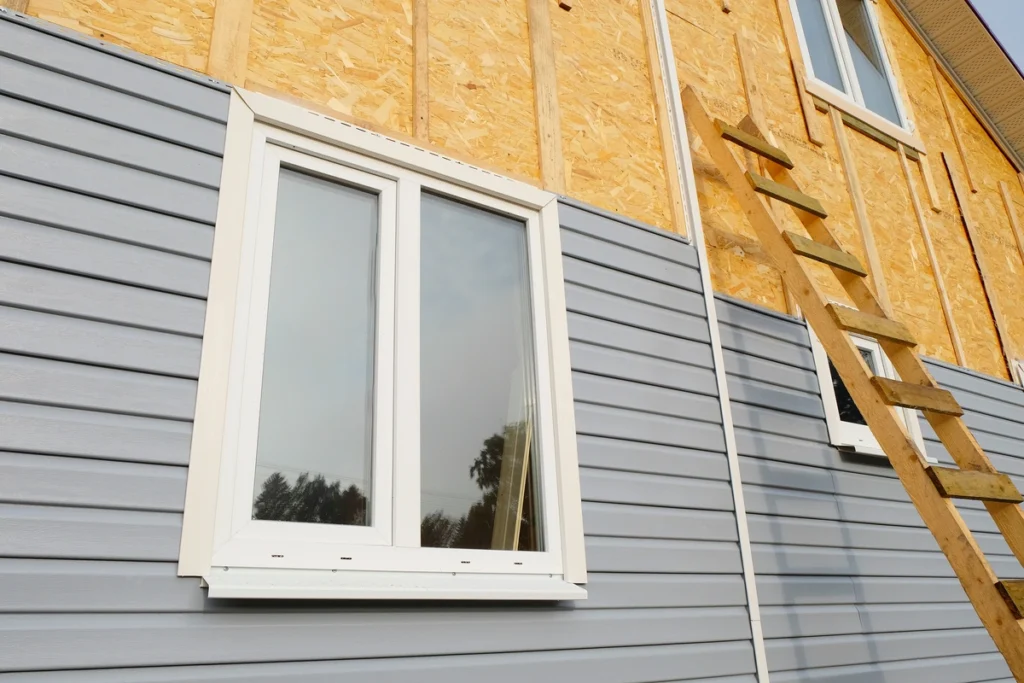
- Horizontal Lap Siding: This classic style features long, overlapping panels and is widely used for traditional homes. It provides a clean, uniform look while effectively shedding water.
- Vertical Panels: Less common but visually striking, vertical siding adds a modern flair to your home exterior.
- Shingle-Style Siding: Designed to mimic the look of natural wood shingles, this type adds texture and character to your home.
- Shake-Style Siding: Similar to shingle siding but with a more rugged, rustic appearance, often used in cottages or craftsman-style homes.
Each style not only enhances the curb appeal but also affects the overall feel and personality of your property.
Exploring Vinyl Siding Styles
When selecting the right siding, understanding the vinyl siding styles is crucial. Beyond basic horizontal or vertical panels, siding can replicate the appearance of wood, slate, or stone, providing a premium look without the maintenance.
- Clapboard Look: Mimics traditional wooden boards, often used in colonial or farmhouse-style homes.
- Beaded Panels: Feature a subtle groove, creating depth and shadow lines for a polished appearance.
- Board and Batten: Vertical panels with a layered effect, ideal for modern or rustic homes.
These variations allow homeowners to achieve a customized exterior design that fits their personal taste while maintaining durability.
Benefits of Vinyl Siding
One of the main reasons homeowners choose vinyl siding is its long list of advantages. The benefits of vinyl siding include:
- Low Maintenance: Unlike wood, vinyl doesn’t require painting, sealing, or frequent upkeep. A simple wash keeps it looking new.
- Weather Resistance: It withstands harsh weather conditions, including heavy rain, wind, and UV exposure.
- Energy Efficiency: Certain vinyl siding options can improve insulation, helping to reduce energy bills.
- Cost-Effectiveness: Offers the look of premium materials like wood or stone at a fraction of the price.
With so many practical benefits, vinyl siding is a smart choice for homeowners looking for both style and functionality.
Vinyl Siding Installation: What You Need to Know
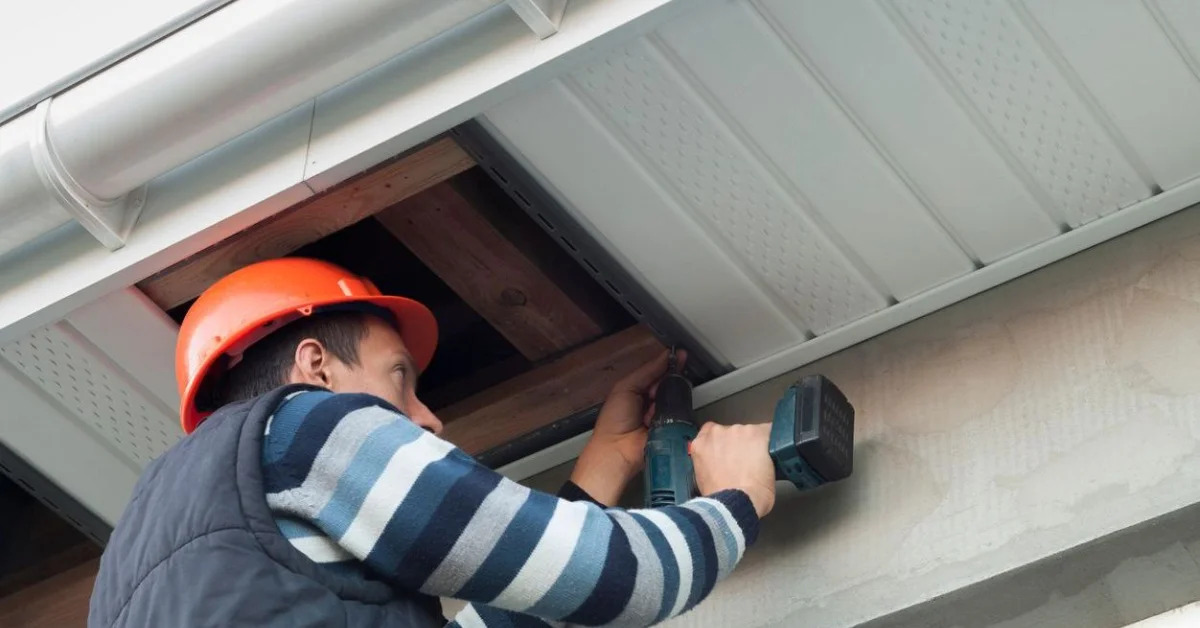
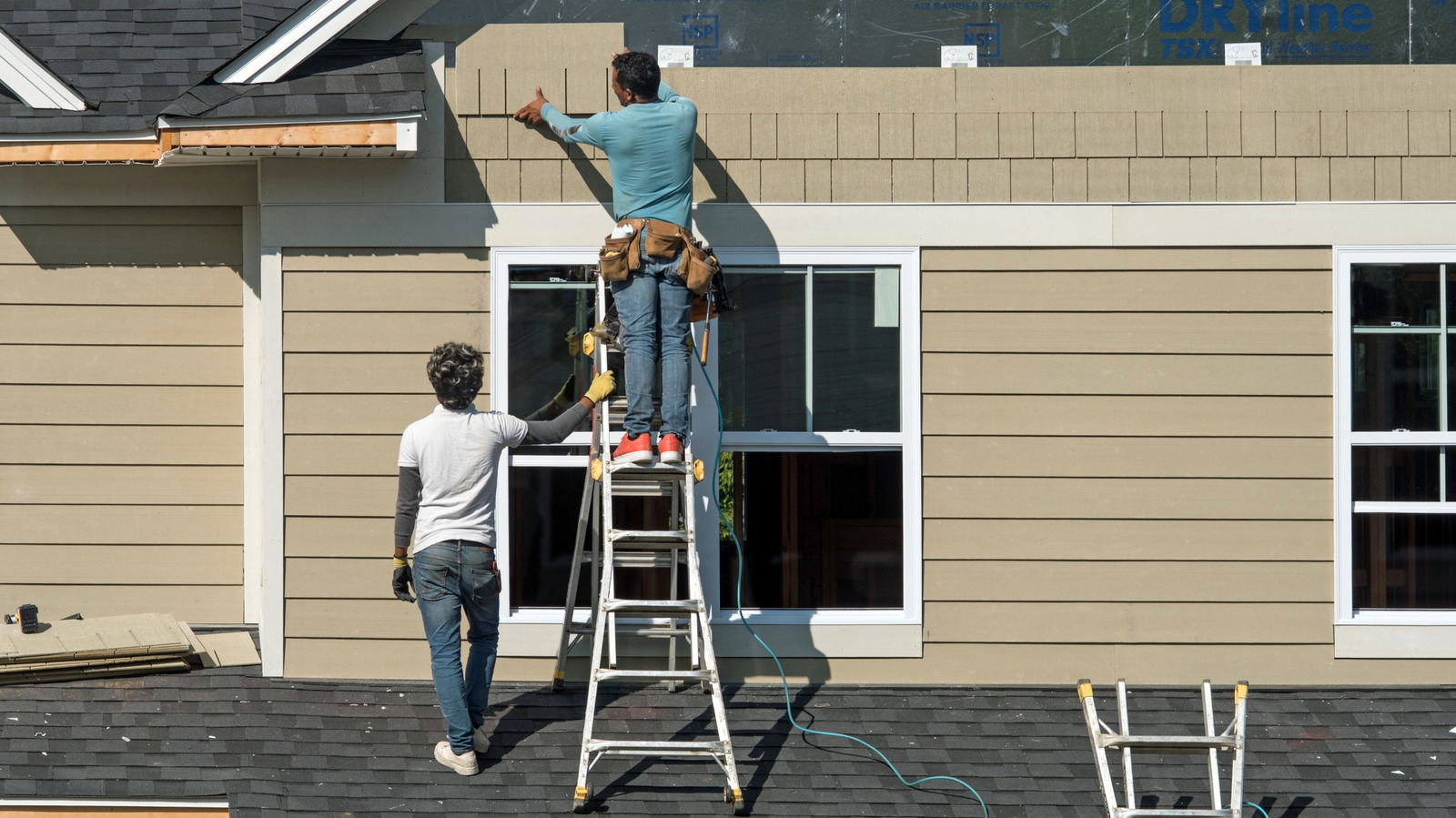
Proper installation is key to ensuring the longevity of your siding. Vinyl siding installation requires precise techniques to prevent warping, buckling, or water infiltration. Professional installation guarantees that siding is securely fastened, properly aligned, and equipped with adequate ventilation. For homeowners in Florida, local conditions like humidity and seasonal storms make professional installation particularly important. For example, Vinyl Siding installation in Hudson, FL is best handled by trained experts who understand the region’s climate challenges.
DIY installation is possible for small projects, but mistakes can lead to costly repairs. Hiring a reputable contractor ensures your siding lasts for decades while maintaining its appearance and functionality.
Vinyl Siding vs. Other Siding Materials
When choosing siding, many homeowners wonder how vinyl compares to alternatives. Vinyl siding vs. other siding materials like fiber cement or wood shows clear differences:
- Vinyl vs. Wood: Wood offers natural beauty but requires ongoing maintenance like painting, staining, and protection from insects. Vinyl provides a similar aesthetic with minimal upkeep.
- Vinyl vs. Fiber Cement: Fiber cement is durable and fire-resistant but heavier and more expensive. Vinyl is lightweight, easier to install, and cost-effective while still offering durability.
Understanding these differences helps homeowners select siding that meets both their design preferences and long-term maintenance needs.
Choosing the Right Vinyl Siding Colors
A key part of vinyl siding design is color. Vinyl siding colors range from classic neutrals like white, beige, and gray to bold shades of blue, green, or red. Choosing the right color can complement your home’s architectural style, enhance curb appeal, and even increase property value. Many vinyl siding options feature color that permeates the material, reducing fading over time.
Durable Home Siding Options
Durability is a major factor when selecting siding. Durable home siding options like vinyl are designed to resist cracking, warping, and moisture damage. Modern vinyl siding comes with reinforced thickness and impact-resistant coatings, ensuring it withstands Florida’s humid climate, heavy rains, and strong winds.
For homeowners seeking a long-lasting exterior solution, investing in high-quality vinyl siding means fewer repairs, lower maintenance costs, and consistent protection for years to come.
Conclusion
Choosing the right siding is one of the most important decisions for your home exterior. By understanding the types of vinyl siding, their styles, installation requirements, and benefits, homeowners can make informed choices that enhance both aesthetics and functionality. Whether you prefer the timeless appeal of horizontal lap siding, the rustic charm of shake-style siding, or the modern look of vertical panels, vinyl siding offers versatile, durable, and cost-effective options.
With professional installation and careful selection of styles and colors, your home can enjoy improved curb appeal, energy efficiency, and long-lasting protection.
FAQs
1. How long does vinyl siding last?
Vinyl siding typically lasts 20 to 40 years, depending on quality, maintenance, and installation. High-quality siding can exceed 40 years with proper care.
2. Can I install vinyl siding myself?
DIY installation is possible, but professional installation is recommended to prevent warping, misalignment, or water damage.
3. Is vinyl siding energy-efficient?
Yes, insulated vinyl siding options can improve energy efficiency by reducing heat loss and helping maintain indoor temperatures.
4. How does vinyl siding compare to fiber cement?
Vinyl siding is lighter, easier to install, and more cost-effective, while fiber cement is heavier, more expensive, and fire-resistant.
5. What maintenance does vinyl siding require?
Vinyl siding requires minimal maintenance, usually just periodic cleaning with water and mild detergent to remove dirt or mildew.