When it comes to maintaining a durable, attractive, and functional roofline, homeowners often wonder about the difference between fascia and soffit. While these two components work together to protect your home, they serve very different purposes. Understanding their roles, benefits, and proper installation methods can make a significant difference in exterior home maintenance and long-term property protection.
Understanding Fascia and Soffit
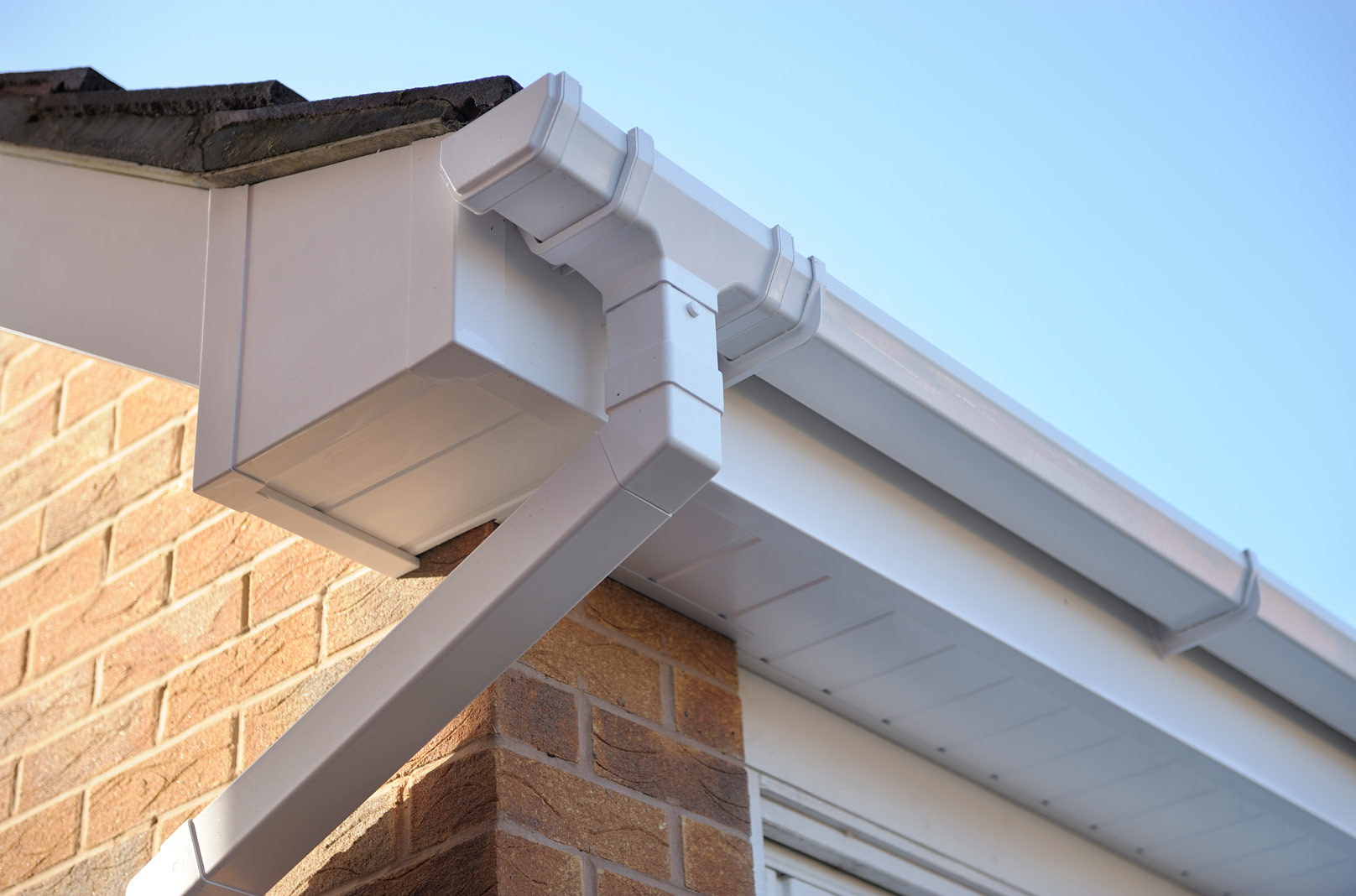
The fascia is the vertical board that runs along the edge of your roof. It not only gives your roofline a finished look but also serves as the primary support for gutters. Without a properly installed fascia, your roof’s edge is exposed to the elements, which can lead to water damage, wood rot, and costly repairs.
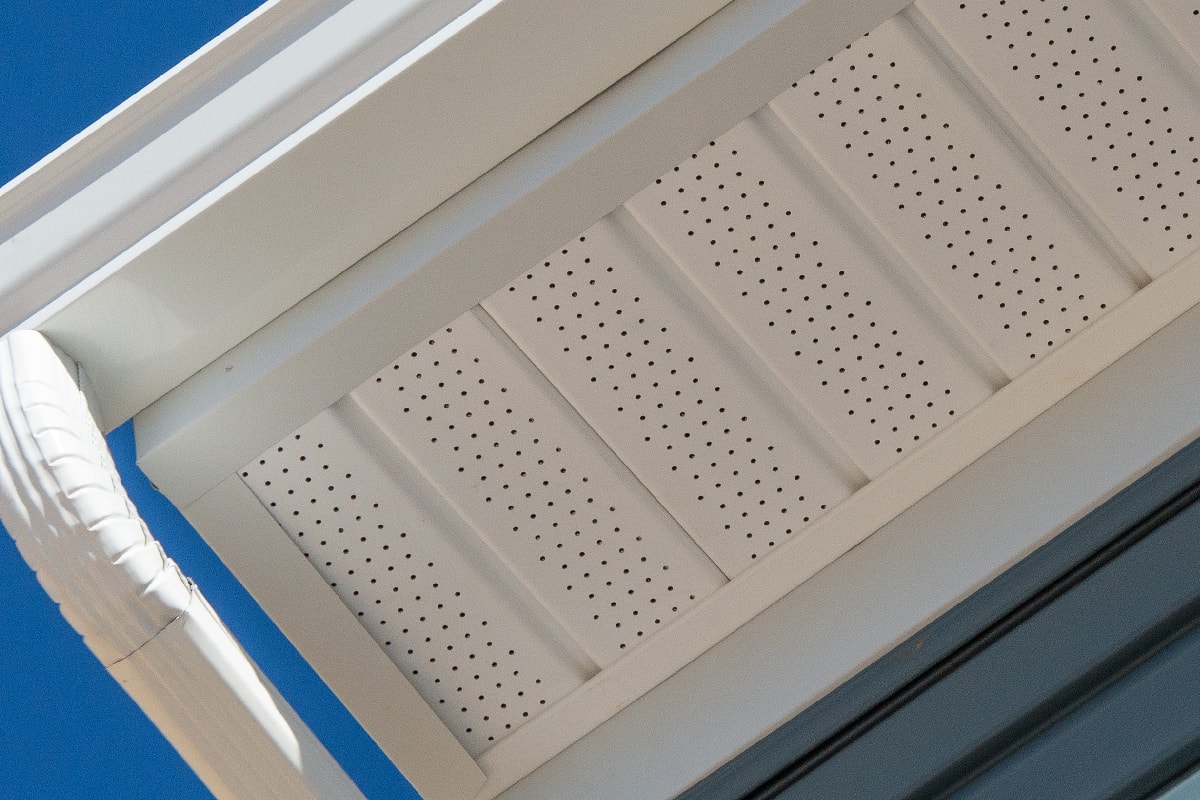
On the other hand, the soffit is the horizontal panel located beneath the overhanging section of the roof eaves. While it may seem purely decorative, the soffit plays a critical role in ventilating your attic, reducing heat buildup, and preventing moisture accumulation. Together, fascia and soffit form a protective barrier that ensures your roof and attic remain healthy for years to come.
Fascia vs Soffit: Key Differences
The distinction between fascia and soffit is simple but important for homeowners considering roofline upgrades:
- Fascia is vertical, supports gutters, and shields the roof’s edge.
- Soffit is horizontal, allows for attic ventilation, and keeps out pests.
This basic understanding helps when choosing materials, planning installation, and scheduling maintenance. Both components are vital to roofline protection, and neglecting either can lead to serious structural and water-related issues.
Benefits of Fascia and Soffit
Investing in quality fascia and soffit offers several advantages:
1. Roofline Protection
A well-maintained fascia safeguards the roof’s edge from weather damage, wind, and moisture. Combined with the soffit, it ensures your roofline is protected from decay, which can affect shingles, rafters, and even the interior of your home.
2. Soffit Ventilation Benefits
Properly installed soffits allow air to flow into the attic, reducing heat buildup in summer and preventing condensation in winter. This ventilation can extend the life of your roof, improve energy efficiency, and prevent mold and mildew growth.
3. Gutter Support and Protection
Fascia boards provide a sturdy foundation for gutters, ensuring they remain secure and functional. Without a strong fascia, gutters can sag or pull away, leading to water damage along your home’s exterior walls and foundation.
4. Prevent Roof Moisture Damage
By combining effective fascia and soffit installation, you minimize the risk of water infiltration. Soffits help ventilate the attic, preventing moisture buildup that could damage roof decking and insulation, while fascia boards shield the roofline from direct exposure to rain and snow.
5. Enhanced Curb Appeal
Beyond functional benefits, fascia and soffit contribute to the overall aesthetic of your home. Clean, well-painted or properly finished boards create a polished look that complements siding and other exterior features.
Choosing Materials for Fascia and Soffit
When it comes to materials, homeowners have several options, including wood, aluminum, vinyl, and fiber cement. Each has its advantages:
- Vinyl is low-maintenance, resistant to rot, and affordable.
- Aluminum is durable, lightweight, and easy to install.
- Wood offers a classic look but requires regular painting and maintenance.
- Fiber cement combines durability with a premium finish but can be more expensive.
Selecting the right material depends on your climate, budget, and desired aesthetics. For instance, in areas with high humidity, materials like vinyl or aluminum may be preferred to prevent roof moisture damage and reduce maintenance needs.
Installation Tips for Fascia and Soffit
Proper installation is crucial for maximizing the benefits of fascia and soffit. Here are some key tips:
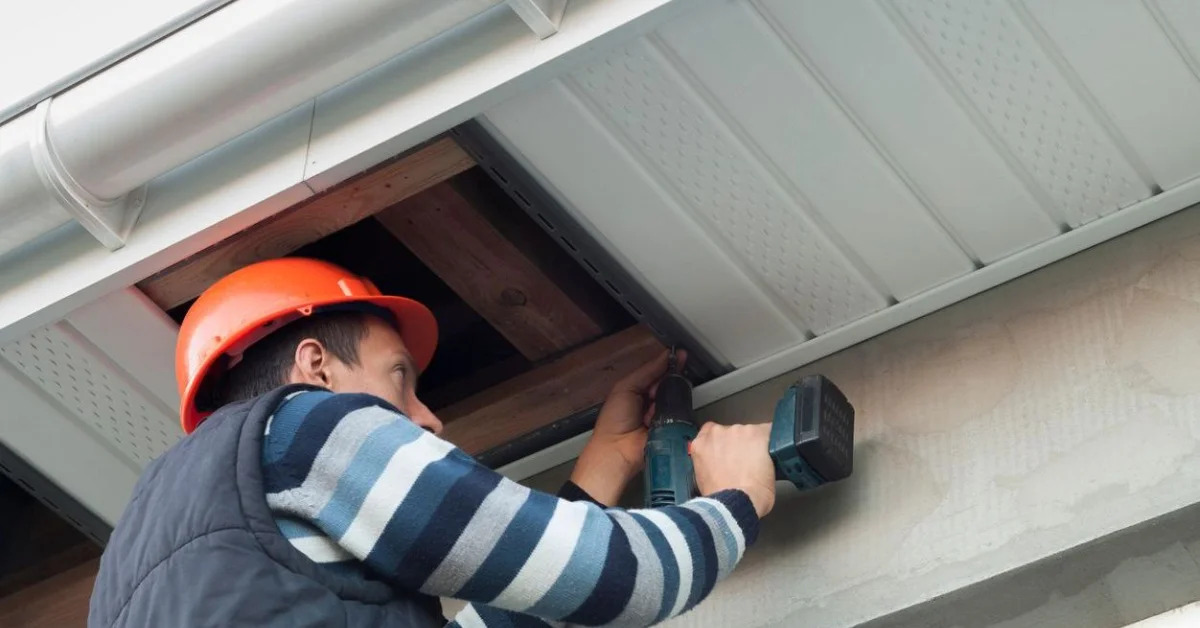
- Hire a Professional: For long-lasting results, considerces in Hudson, FL and Soffit Installation Services in Hudson, FL. Professional installers ensure accurate measurements, secure fastening, and proper alignment.
- Ventilation Planning: For soffits, include vents or perforations to allow optimal airflow in the attic.
- Check for Rot or Damage: Before installing new boards, inspect existing fascia and soffit for rot, insect damage, or water intrusion. Replace damaged sections to prevent future issues.
- Seal and Paint: Wood fascia and soffits should be properly sealed and painted to resist weather damage. Vinyl or aluminum may require less finishing but still benefit from occasional cleaning.
- Gutter Integration: Ensure fascia boards are strong enough to support gutters, and check that gutters are aligned to prevent leaks.
Following these steps ensures your roofline remains functional, visually appealing, and protected for decades.
Maintaining Fascia and Soffit
Even with high-quality materials, regular maintenance is essential. Simple tasks like cleaning vents, inspecting for cracks, repainting wood boards, and removing debris from gutters can extend the lifespan of your fascia and soffit. Incorporating these checks into your routine exterior home maintenance schedule prevents minor issues from becoming costly repairs.
FAQs
1. Can I install fascia and soffit myself?
While DIY installation is possible for experienced homeowners, professional services are recommended to ensure proper ventilation, alignment, and gutter support.
2. How often should fascia and soffit be replaced?
Depending on material and climate, fascia and soffit boards may last 15–30 years. Regular inspections help identify damage early and prevent roofline issues.
3. What are the signs of damaged fascia or soffit?
Look for sagging gutters, peeling paint, rotting wood, water stains, or pest infestations. Any of these signs indicate that repair or replacement may be needed.
4. How do soffits improve attic ventilation?
Soffits allow air to enter the attic, promoting circulation that prevents heat buildup in summer and moisture accumulation in winter. Proper airflow protects insulation and roof decking.
5. Which materials are best for humid climates?
Materials like vinyl or aluminum resist moisture, rot, and insect damage, making them ideal for areas with high humidity or frequent rainfall.
Conclusion
Understanding the difference between fascia vs soffit is essential for homeowners looking to protect and enhance their roofline. Both components offer critical benefits, from roofline protection and soffit ventilation benefits to gutter support and protection and preventing long-term moisture damage. Choosing durable materials, following proper installation tips, and scheduling regular maintenance ensures your home remains structurally sound and visually appealing.
Investing in professional Fascia Installation Services in Hudson, FL and Soffit Installation Services in Hudson, FL not only enhances curb appeal but also safeguards your home against costly repairs. By prioritizing fascia and soffit, you’re making a smart, long-term investment in your property’s health and value.