
Your roof does more than keep rain out; it’s a finely tuned system where every detail matters. One component that often gets overlooked until it fails is fascia. Poor or missing fascia can lead to moisture intrusion, gutter instability, and hidden structural damage. That’s why fascia installation is a key investment in your home’s long-term roof performance.
In this guide, you’ll learn what fascia boards do, why professional installation makes such a difference, how materials compare, what costs to expect, and when repairs or replacements are necessary. By the end, you’ll understand why fascia is far more than trim, it’s essential roof protection.
What Is Fascia and Why Does It Matter
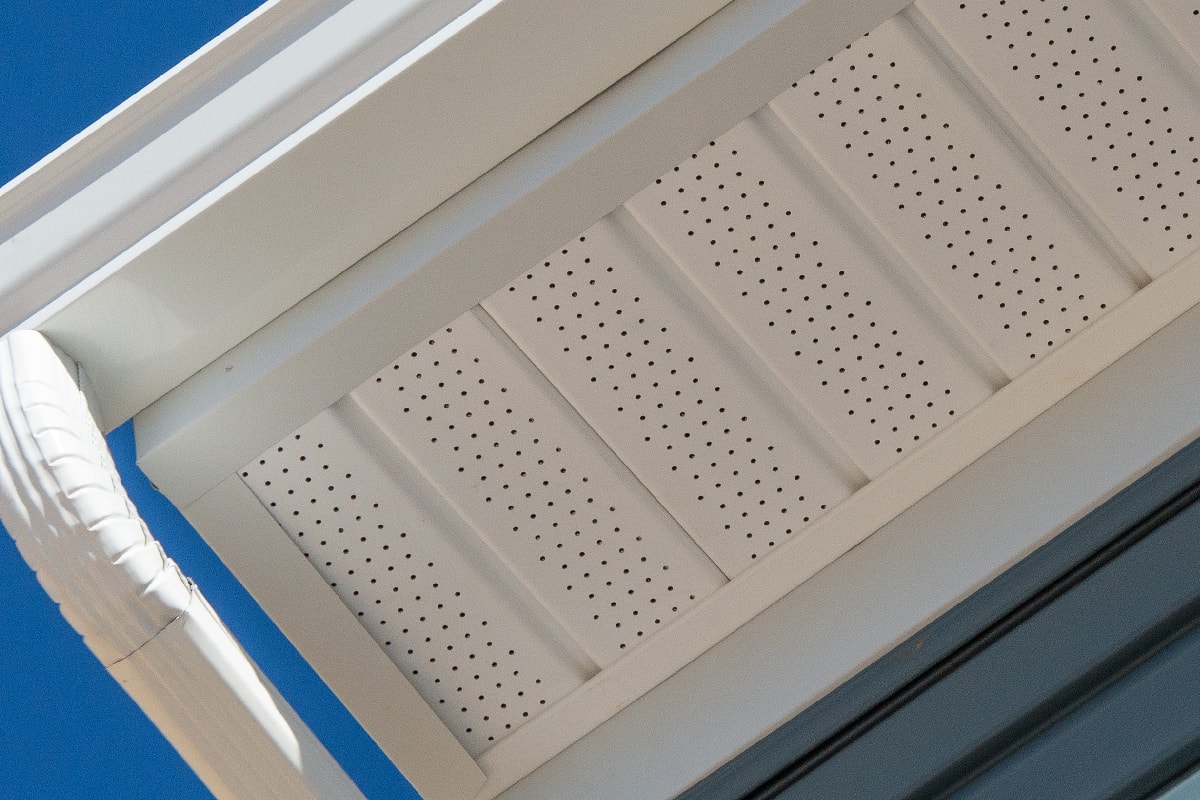
Understanding what is fascia board in roofing starts with its position: fascia runs horizontally along the roof edge, covering exposed rafters and providing a solid surface for gutters to attach to. This board forms a crucial protective barrier between the roof structure and external elements.
Proper fascia installation:
- Seals the roofline against moisture and pests.
- Supports gutters so they direct water away from your home.
- Helps stabilize the entire roof edge.
Without strong fascia boards, water can seep into the roof framing, causing rot that spreads deep into the structure before it’s noticed. This is why fascia isn’t just cosmetic, it’s defensive.
How Fascia Protects Your Roof
Shields Roof Edges From Moisture
Fascia boards act as a barrier that blocks rainwater and humidity from reaching vulnerable roof components. Without them, rafters and decking are prone to decay and mold, undermining structural integrity and shortening the roof’s lifespan.
Anchors Your Gutter System
Gutters rely on fascia boards for secure attachment. When fascia is weak, rotten, or missing, gutters can sag, detach, or fail entirely during heavy rain, leading to basement leaks and landscape erosion. Robust fascia and gutter system protection keep gutters performing as designed.
Improves Curb Appeal and System Integration
Professional fascia installation ties together roofing, soffits, and siding for a finished look. Misaligned or poorly cut fascia not only looks unfinished but can also allow gaps that invite water intrusion. Proper alignment matters.
Benefits of Proper Fascia Installation
While DIY fascia replacement might save upfront costs, professionals ensure:
- Accurate measurement, cutting, and leveling.
- Correct sealing and flashing to prevent leaks.
- Seamless integration with gutters and soffits.
- Identification and repair of hidden wood damage.
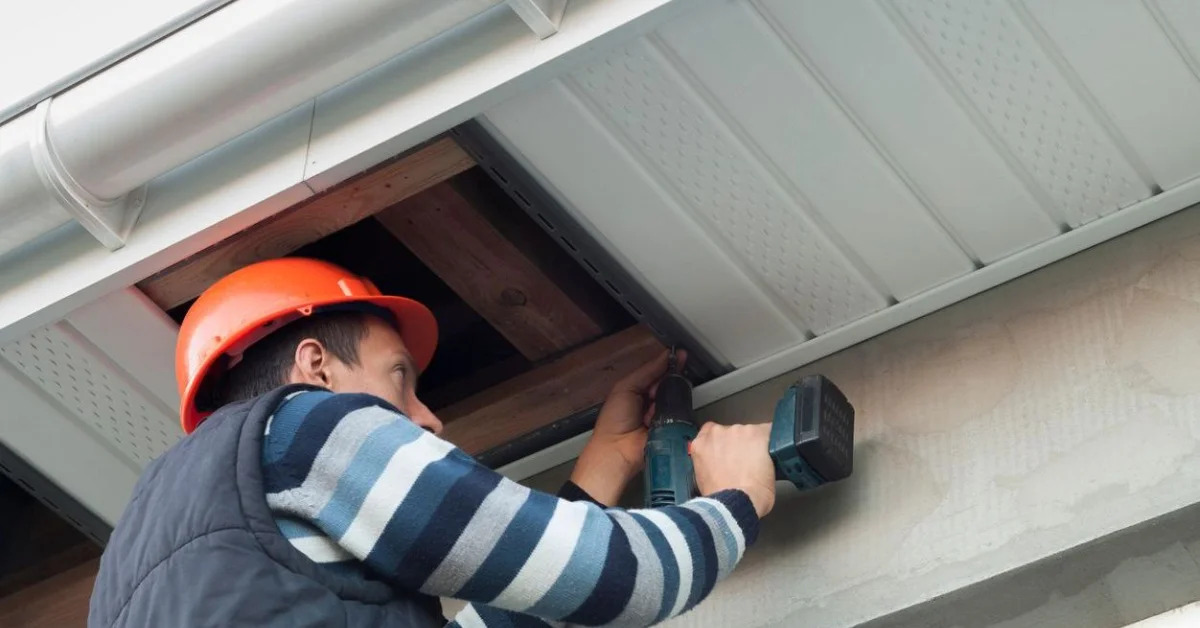
Professionals also bring the safety equipment and experience needed to work at height without risk. This skill set significantly reduces long-term repair costs and maximizes durability.
Fascia Board Materials and Performance
Choosing the right materials is as important as the quality of fascia installation. Here’s how common options compare:
Fascia Material Comparison
| Material | Durability | Moisture Resistance | Maintenance | Typical Lifespan |
| Wood | Moderate | Low | High (painting/sealing) | ~15–25 years |
| Vinyl | Moderate | High | Low | ~20–30 years |
| Aluminum | High | Excellent | Very Low | ~30+ years |
| Composite/PVC | Very High | Excellent | Minimal | ~30–50+ years |
Wood offers a classic look but requires regular maintenance to prevent rot. Aluminum and composite stand out for durability and long-term protection.
Understanding the Fascia Installation Cost
Many homeowners want to know the cost of fascia installation, and the answer depends on several factors, including material, roof complexity, and labor. National data suggests that:
- Material costs range from budget wood to premium aluminum or composite options.
- Professional labor typically adds significantly more cost, but ensures reliable performance.
- Average total fascia replacement installations often fall in the lower thousands for typical homes, but vary widely with scope and materials chosen.
Investing in professional installation often prevents expensive moisture damage and gutter failures that result from poor DIY work.
How Professionals Ensure Proper Alignment and Sealing
Professional teams take a systematic approach to fascia installation, including:
- Level measuring and cutting so the fascia runs perfectly straight along the roofline
- Strategic flashing and caulking at seams to prevent moisture intrusion
- Precise gutter attachment that maintains slope and secure fastening
- Inspection of the underlying structures to replace rotten or compromised wood before new boards go on
These practices prevent common problems like gaps, sagging gutters, or boards that warp prematurely.
Key Takeaways
- Fascia installation protects roof edges from moisture and structural damage.
- It provides essential support for gutter systems and proper water management.
- Choosing the right material improves durability and reduces maintenance.
- Professional fascia installation ensures correct alignment, sealing, and long-term performance.
- Costs vary, but quality fascia contributes to greater home value and fewer repairs.
Final Takeaway
Fascia boards may be out of sight, but they should never be out of mind. Properly installed fascia reinforces your roof, supports your gutters, and significantly reduces the risk of costly water damage and structural issues. Beyond protection, quality fascia enhances curb appeal, prevents pest intrusion, improves energy efficiency, and ensures long-term durability against harsh weather conditions. Well-maintained fascia also preserves your home’s value and prevents small problems from turning into major repairs.
For dependable fascia installation services in Hudson, FL, specialists like Armour Siding and Soffit LLC offer expert fascia Installation built on craftsmanship and reliability.
Call 863-712-2453 or email michaelmavias@armoursidingsoffit.com to schedule a consultation and protect your home with precision and care.
FAQs
What does the fascia board do at the roof edge?
Fascia boards cover the exposed roof edge, protect rafters from moisture, and provide a solid anchor for gutters.
Can damaged fascia lead to gutter or roof problems?
Yes, weak or rotten fascia can cause gutters to sag or detach and allow water to reach and damage the roof framing.
Which materials are best for long-lasting fascia boards?
Aluminum and composite fascia boards are known for excellent durability and moisture resistance, lasting decades with minimal upkeep.
How do professionals ensure proper alignment and sealing?
Experts level and measure precisely, use flashing and sealants at joints, and integrate fascia with soffits and gutters for seamless protection.
When should homeowners repair or replace fascia boards?
Replace fascia when you see sagging gutters, rotting wood, peeling paint, or water stains along the roofline, signs that fascia is no longer protecting the structure.