
Most homeowners notice roof shingles and siding first, but the real protection often comes from what’s underneath. When soffits are missing, damaged, or poorly installed, problems like trapped heat, moisture, and pests quietly build up until repairs become expensive.
This guide explains why soffit installation matters, how it protects your roof and attic, what materials perform best, and what costs homeowners should realistically expect. By the end, you’ll understand how soffits support ventilation, preserve structural integrity, and why professional installation makes a measurable difference in long-term home performance.
What Is a Soffit and Why Does It Matter
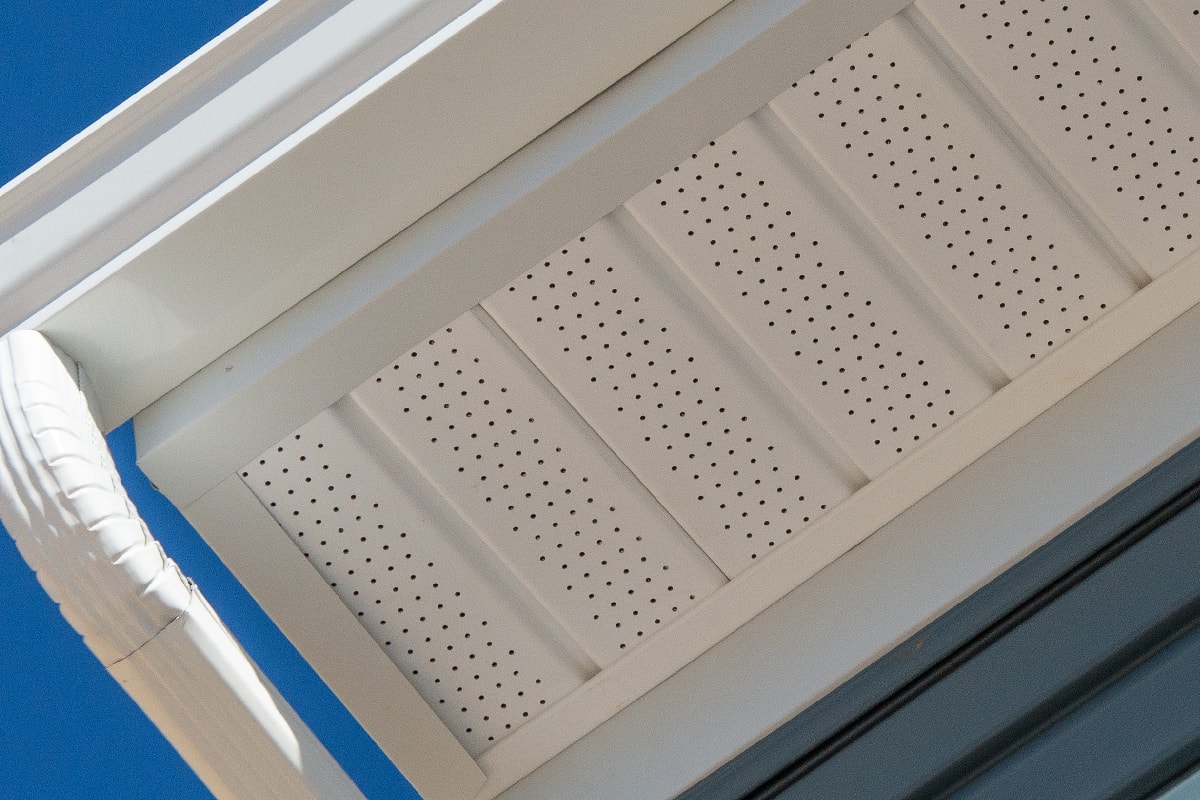
In order to understand what is a soffit in roofing, you must start with its location. A soffit is the horizontal panel that covers the underside of your roof’s overhang, bridging the gap between exterior walls and the roofline. While subtle in appearance, soffits perform essential structural and functional roles.
Proper soffit installation seals exposed rafters, prevents wind-driven rain from entering attic spaces, and creates a controlled pathway for airflow. Without soffits, moisture can seep into the roof framing, insulation can degrade faster, and pests can gain easy access to hidden cavities. In well-designed roof systems, soffits work alongside fascia and vents to maintain balance between intake and exhaust ventilation, keeping the attic dry and stable year-round.
Key Benefits of Soffit Installation
Improved Airflow and Attic Health
One of the most important benefits of soffit ventilation is consistent airflow. Vented soffits allow cool air to enter at the eaves, pushing hot, moist air upward and out through ridge or roof vents. This circulation helps regulate attic temperatures, reduces condensation, and minimizes strain on HVAC systems. Proper soffit installation directly supports energy efficiency and indoor comfort.
Protection From Moisture and Pests
Soffits form a defensive barrier at one of the most vulnerable points of a home. When installed correctly, they block insects, birds, and rodents while preventing moisture intrusion that leads to mold or wood rot. Homes with failing soffits often experience hidden damage long before it becomes visible.
Enhanced Appearance and Property Value
Clean, well-aligned soffits give the roofline a finished look. They visually tie together siding, trim, and roofing while signaling that the home has been properly maintained. Over time, this detail contributes to stronger curb appeal and higher resale confidence.
Reduced Long-Term Maintenance
Durable materials and correct soffit installation reduce repainting, repairs, and structural deterioration. Instead of reacting to damage, homeowners benefit from proactive protection built into the roof system.
Types of Soffit Materials
Choosing among the available types of materials depends on climate, budget, and maintenance preferences. Vinyl soffits are lightweight, cost-effective, and resistant to moisture, making them popular for many residential projects. Aluminum soffits offer greater strength and weather resistance while remaining low-maintenance. Wood soffits provide a classic appearance but require regular upkeep to prevent rot and insect damage. Fiber cement options deliver exceptional durability and fire resistance, performing well in harsh conditions.
Material selection directly influences longevity, performance, and cost. Matching the right product to the home’s environment ensures the soffit system performs as intended for decades.
Soffit Material Comparison
| Soffit Material | Durability | Maintenance Level | Moisture Resistance | Appearance | Typical Lifespan |
| Vinyl | Moderate | Very Low | Excellent | Clean, uniform | 20–30 years |
| Aluminum | High | Low | Excellent | Smooth, modern | 30+ years |
| Wood | Moderate | High | Low | Classic, natural | 15–25 years |
| Fiber Cement | Very High | Low | Excellent | Solid, premium | 30–50+ years |
Understanding the Soffit Installation Cost
Homeowners often ask about the installation cost, and the answer depends on several factors. Pricing is influenced by material choice, total linear footage, venting requirements, and labor complexity. Vinyl installations typically fall on the lower end, while aluminum and fiber cement command higher investment due to material strength and installation precision.
Labor is a critical component. Professional crews account for roof pitch, accessibility, and integration with existing fascia and ventilation systems. While national averages provide a baseline, local conditions and workmanship standards play a major role in final pricing. Investing in quality soffit installation reduces future repair costs tied to moisture damage or ventilation failures.
Why Professional Installation Matters
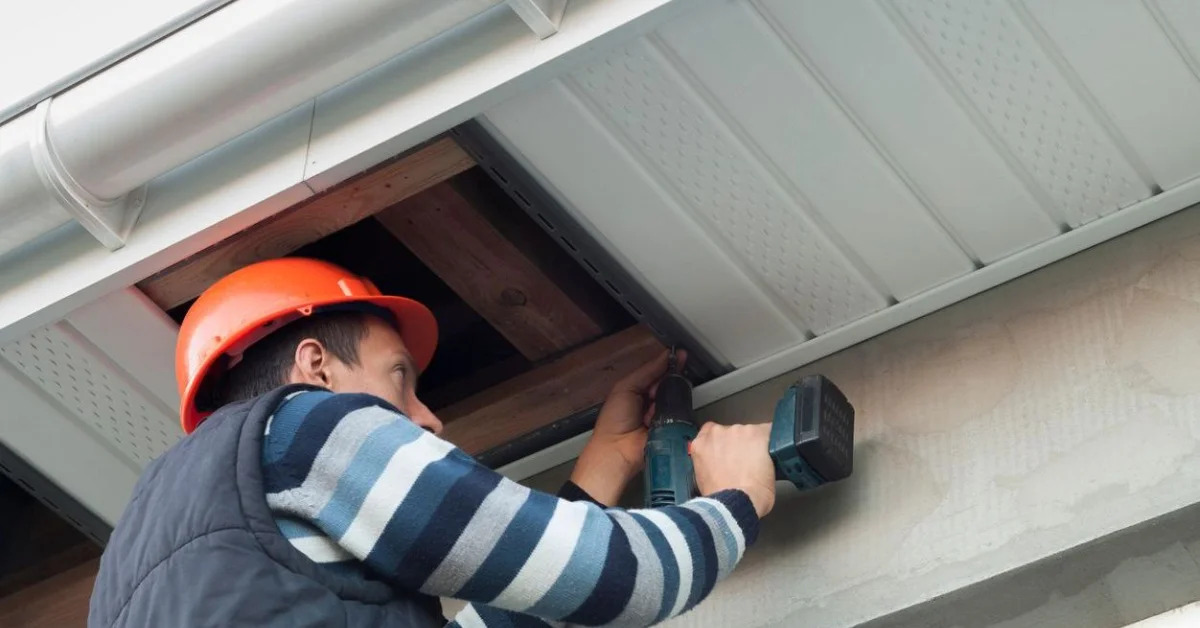
Choosing professional soffit installation services ensures the system performs as designed. Precision matters at the eaves, where even small gaps can compromise airflow or invite pests. Professionals understand building codes, ventilation balance, and material behavior over time. DIY or inexperienced work often leads to misaligned panels, blocked vents, or improper sealing.
For homeowners seeking dependable soffit installation services in Hudson, FL, professional execution provides peace of mind, consistent craftsmanship, and long-term protection that shortcuts simply cannot match.
Key Takeaways
- Soffit installation plays a critical role in protecting roof edges, rafters, and attic spaces from moisture damage.
- Properly installed soffits support balanced airflow, helping regulate attic temperatures and reduce humidity buildup.
- The right material choice impacts durability, maintenance needs, and long-term performance.
- The installation cost varies based on materials, ventilation requirements, and professional labor quality.
- Hiring experienced professionals ensures correct vent placement, tight sealing, and code-compliant installation.
- Well-installed soffits improve curb appeal while quietly safeguarding your home’s structural health.
Final Takeaway
Soffit systems are a foundational element of a healthy roof, even though they’re often overlooked. When installed correctly, they protect vulnerable roof edges, regulate airflow, and prevent costly hidden damage.
Experts like Armour Siding and Soffit LLC deliver in-house craftsmanship without subcontractors, ensuring every soffit installation meets high-performance standards.
If you’re considering upgrades or repairs, you can speak directly with a specialist by calling 863-712-2453 or emailing michaelmavias@armoursidingsoffit.com to discuss the right solution for your home.
FAQs
What role do soffits play in roof ventilation?\
Soffits act as intake vents, allowing fresh air to enter the attic and support balanced airflow that reduces heat and moisture buildup.
How much does installing new soffits usually cost?
Costs vary by material, home size, and labor complexity, but most projects fall within a moderate range with professional soffit installation.
Which soffit materials last the longest in harsh weather?
Aluminum and fiber cement soffits typically offer the highest durability in demanding climates.
Can damaged soffits cause moisture or pest problems?
Yes. Cracked or missing soffits allow water, insects, and rodents to enter attic spaces, leading to structural damage.
When should homeowners replace or upgrade their soffits?
Replacement is recommended when there are signs of rot, peeling paint, poor ventilation, or visible sagging along the roofline.